
Teaching · Sin
Self-will
Also stubbornness, being stiffnecked
Insisting on your own way against God. Israel's history is full of it, and Samuel told Saul that stubbornness is as bad as idolatry. Jesus shows the opposite: "not my will, but thine, be done."
- Samuel
- "Stubbornness is as iniquity and idolatry" (1 Samuel 15:23)
- Examples
- Simeon and Levi (Genesis 49:6); Israel at the golden calf (Exodus 32:9); Saul (1 Samuel 15:19–23); Zedekiah (2 Chronicles 36:13)
- Picture
- A horse or mule that must be held with bit and bridle (Psalms 32:9)
The problem
Self-will refuses to listen. Israel "would not hear, but hardened their necks" (2 Kings 17:14); they "walked in the counsels and in the imagination of their evil heart, and went backward, and not forward" (Jeremiah 7:24). Saul kept the best of the spoil and called it a sacrifice; Samuel answered that to obey is better than sacrifice, and rebellion and stubbornness are like witchcraft and idolatry (1 Samuel 15:22–23). Stephen told the council, "Ye do always resist the Holy Ghost" (Acts 7:51).
In Jesus
In Gethsemane Jesus, facing the cross, prayed, "nevertheless not my will, but thine, be done" (Luke 22:42). He came to do the will of the Father who sent him (John 6:38).
For us
God does not want us to be like the mule that will only come near with bit and bridle (Psalms 32:8–9). A church leader must not be self-willed (Titus 1:7). "To day if ye will hear his voice, harden not your hearts" (Hebrews 3:7–8).
Key verses
- 1 Samuel 15:22–23
And Samuel said, Hath the Lord as great delight in burnt offerings and sacrifices, as in obeying the voice of the Lord? Behold, to obey is better than sacrifice, and to hearken than the fat of rams. For rebellion is as the sin of witchcraft, and stubbornness is as iniquity and idolatry. Because thou hast rejected the word of the Lord, he hath also rejected thee from being king.
- Jeremiah 7:24
But they hearkened not, nor inclined their ear, but walked in the counsels and in the imagination of their evil heart, and went backward, and not forward.
- Psalms 32:8–9
I will instruct thee and teach thee in the way which thou shalt go: I will guide thee with mine eye. Be ye not as the horse, or as the mule, which have no understanding: whose mouth must be held in with bit and bridle, lest they come near unto thee.
- Luke 22:42
Saying, Father, if thou be willing, remove this cup from me: nevertheless not my will, but thine, be done.
- Hebrews 3:7–8
Wherefore (as the Holy Ghost saith, To day if ye will hear his voice, Harden not your hearts, as in the provocation, in the day of temptation in the wilderness:
Read next
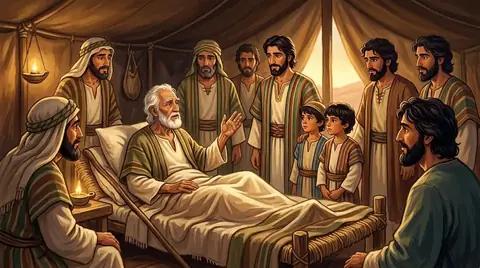 Person · PatriarchSimeonJacob's second son, by Leah. With Levi he massacred the men of Shechem to avenge their sister Dinah, and for that his…PersonLeviJacob's third son by Leah, and father of the tribe of priests and Levites. With Simeon he massacred the men of Shechem…
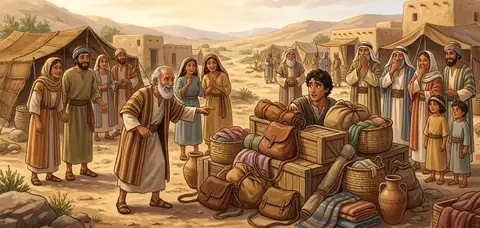 Person · KingSaulIsrael's first king, a tall Benjamite chosen when the people demanded a king like the nations. He began humbly and won…
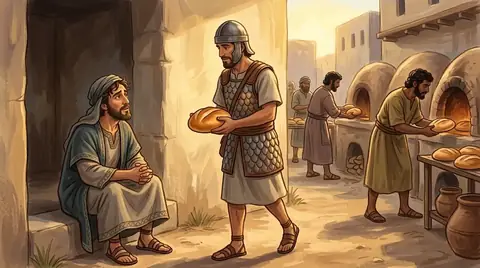 PersonZedekiahThe last king of Judah, put on the throne by Nebuchadnezzar and then rebelling against him. He would not heed Jeremiah…
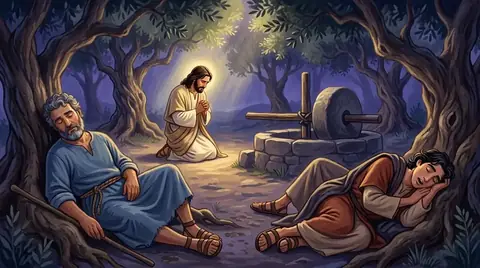 PlaceGethsemaneAn olive garden on the Mount of Olives, across the Kidron valley from Jerusalem. Jesus often went there to pray, and…
Written for this app in its own words, from the Bible, with the facts checked against Bible dictionaries and encyclopedias: Easton's, Smith's, Fausset's, ISBE, Holman, the New Bible Dictionary, Vine's and the Thompson Chain topics.
