
Custom · Worship
The red heifer
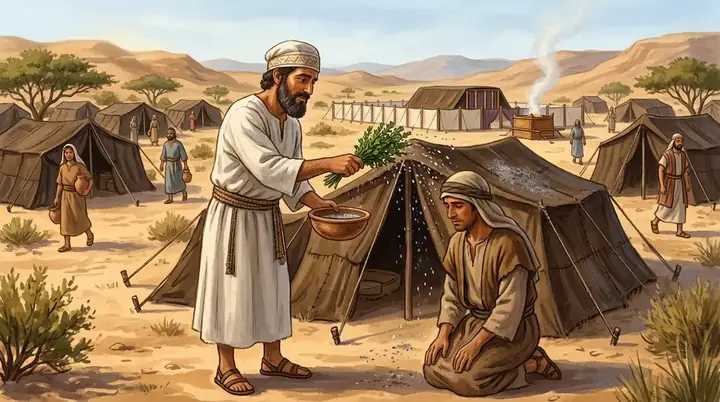
A red cow without defect, burned whole outside the camp. Its ashes, mixed with running water, made the "water of separation" sprinkled on anyone who had become unclean by touching a corpse.
- Where
- Numbers 19; Hebrews 9:13–14
- Used for
- Cleansing after contact with the dead
What it was
Death made a person unclean. Anyone who touched a corpse, or even entered a tent where someone had died, was unclean for seven days and could not come near the tabernacle (Numbers 19:11–14). God gave Israel a special remedy. A red heifer that had never worn a yoke was led outside the camp and killed. The priest Eleazar sprinkled some of its blood toward the tabernacle seven times, and then the whole animal, hide, flesh, blood and all, was burned, with cedar wood, hyssop and scarlet thrown into the fire (Numbers 19:2–6). The ashes were kept in a clean place outside the camp.
How it was used
When someone became unclean, a clean person mixed a little of the ash with fresh running water and sprinkled the unclean person with a bunch of hyssop on the third day and the seventh day. Then he washed his clothes and bathed, and by evening was clean (Numbers 19:17–19). Oddly, everyone who handled the heifer or its ashes became unclean until evening themselves. The ashes of one heifer lasted a long time; Jewish tradition says only a handful were ever burned.
What it meant
Hebrews points to the red heifer to show the difference between the old sacrifices and Christ. If sprinkling with ashes could make the body ceremonially clean, "how much more shall the blood of Christ" cleanse the conscience from dead works to serve the living God (Hebrews 9:13–14). Like the heifer, Jesus suffered outside the camp (Hebrews 13:11–12), and his one sacrifice goes on cleansing all who come.
Key verses
- Numbers 19:2–6
This is the ordinance of the law which the Lord hath commanded, saying, Speak unto the children of Israel, that they bring thee a red heifer without spot, wherein is no blemish, and upon which never came yoke: And ye shall give her unto Eleazar the priest, that he may bring her forth without the camp, and one shall slay her before his face: And Eleazar the priest shall take of her blood with his finger, and sprinkle of her blood directly before the tabernacle of the congregation seven times: …
- Numbers 19:17–19
And for an unclean person they shall take of the ashes of the burnt heifer of purification for sin, and running water shall be put thereto in a vessel: And a clean person shall take hyssop, and dip it in the water, and sprinkle it upon the tent, and upon all the vessels, and upon the persons that were there, and upon him that touched a bone, or one slain, or one dead, or a grave: And the clean person shall sprinkle upon the unclean on the third day, and on the seventh day: and on the seventh day he shall purify himself, and wash his clothes, and bathe himself in water, and shall be clean at even.
- Hebrews 9:13–14
For if the blood of bulls and of goats, and the ashes of an heifer sprinkling the unclean, sanctifieth to the purifying of the flesh: How much more shall the blood of Christ, who through the eternal Spirit offered himself without spot to God, purge your conscience from dead works to serve the living God?
Read next
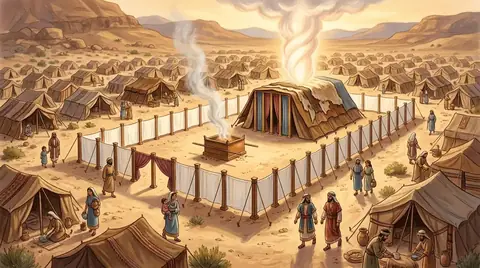 Thing · WorshipThe tabernacleThe holy tent Israel built in the wilderness, by God's own pattern, so that he could dwell in the middle of his people.…
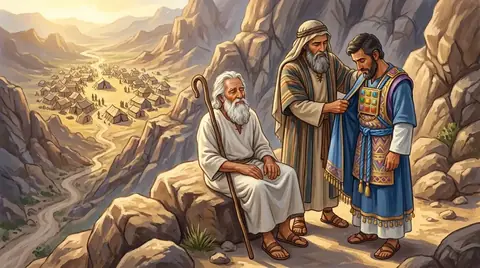 PersonEleazarAaron's third son, who became Israel's second high priest when his father died on Mount Hor. He served through the…
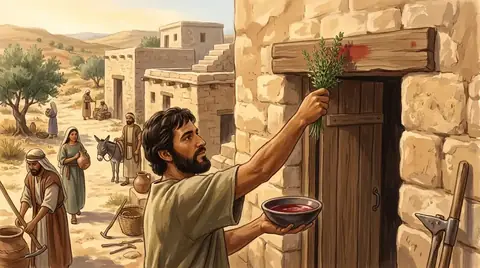 Plant · SymbolHyssopA small bushy plant used as a brush to sprinkle blood or water when something was being made clean, and to paint the…
Written for this app in its own words, from the Bible, with the facts checked against Bible dictionaries and encyclopedias: Easton's, Smith's, Fausset's, ISBE, Holman, the New Bible Dictionary, Vine's and the Thompson Chain topics.
