
Teaching
Public Opinion
What the crowd thinks, and the pressure it brings. Nicodemus came by night, rulers who believed in Jesus kept quiet, and Pilate gave in to the crowd; Jesus himself asked, "Whom do men say that I am?"
- Jesus asked
- (Matthew 16:13–15)
- Gave in
- Herod Antipas (Mark 6:26); Pilate (Mark 15:15); Felix (Acts 24:27)
Fear of the crowd
Jesus once asked his disciples what people were saying about him, and then, "But whom say ye that I am?" (Matthew 16:13–15): what others think was not enough. Many were afraid of opinion. Nicodemus came to Jesus by night (John 3:2), and Joseph of Arimathaea was a disciple "secretly for fear of the Jews" (John 19:38). When Jesus healed a man born blind, his mother and father would not say who had done it, afraid of being put out of the synagogue (John 9:21–22). Many rulers believed but would not confess it, loving the praise of men more than God's (John 12:42–43). The chief priests in turn were afraid to answer Jesus because of the people (Matthew 21:26).
Giving in
Herod Antipas beheaded John the Baptist because of his oath and his guests (Mark 6:26). Pilate, "willing to content the people", released Barabbas and handed Jesus over (Mark 15:15). Felix left Paul in prison to please the Jews (Acts 24:27). Even Peter drew back from eating with Gentiles for fear of others, and Paul opposed him to his face (Galatians 2:11–14).
For us
Paul sometimes gave way on small things for the gospel's sake, as in circumcising Timothy (Acts 16:3), but never on the truth. "We ought to obey God rather than men" (Acts 5:29).
Key verses
- Matthew 16:13–15
When Jesus came into the coasts of Cesarea Philippi, he asked his disciples, saying, Whom do men say that I the Son of man am? And they said, Some say that thou art John the Baptist: some, Elias; and others, Jeremias, or one of the prophets. He saith unto them, But whom say ye that I am?
- John 12:42–43
Nevertheless among the chief rulers also many believed on him; but because of the Pharisees they did not confess him, lest they should be put out of the synagogue: For they loved the praise of men more than the praise of God.
- Mark 15:15
And so Pilate, willing to content the people, released Barabbas unto them, and delivered Jesus, when he had scourged him, to be crucified.
- Acts 5:29
Then Peter and the other apostles answered and said, We ought to obey God rather than men.
Read next
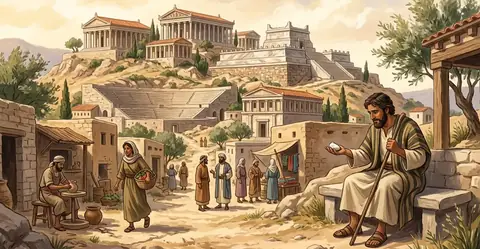 Person · MartyrAntipasA Christian of Pergamum whom the risen Jesus calls "my faithful martyr". He was killed for his faith in a city where…
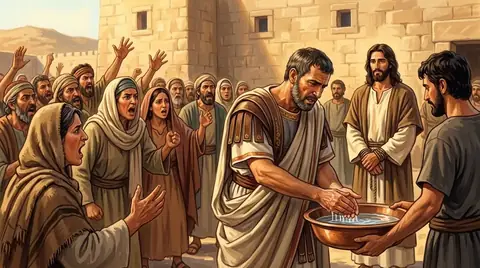 PersonPilateThe Roman governor of Judea who tried Jesus. He said three times that he found no fault in him, yet handed him over to…
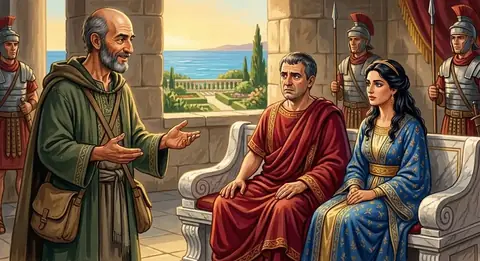 PersonFelixThe Roman governor who heard Paul's case at Caesarea, trembled at his preaching about judgment, hoped for a bribe, and…
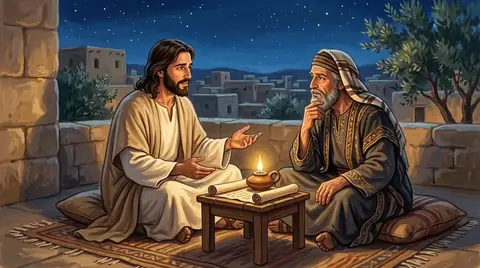 PersonNicodemusThe Pharisee who came to Jesus by night and was told he must be born again. He later spoke up for Jesus in the council…Place · TownArimatheaThe home town of Joseph, the rich member of the Jewish council who asked Pilate for Jesus' body and laid it in his own…
Written for this app in its own words, from the Bible, with the facts checked against Bible dictionaries and encyclopedias: Easton's, Smith's, Fausset's, ISBE, Holman, the New Bible Dictionary, Vine's and the Thompson Chain topics.
