
Teaching
Prudence
Practical wisdom: thinking ahead, weighing words and acting with good sense. Proverbs praises the prudent man who sees danger and hides himself; Abigail, Joseph and Nehemiah showed it in action.
- Proverb
- "A prudent man foreseeth the evil, and hideth himself" (Proverbs 22:3)
- Examples
- Joseph (Genesis 41:33–36); Abigail (1 Samuel 25:18–31); Nehemiah (Nehemiah 2:12–16)
What it is
Prudence is wisdom applied to ordinary choices. Wisdom says, "I wisdom dwell with prudence" (Proverbs 8:12). The prudent man looks well to his going (Proverbs 14:15), keeps his knowledge to himself rather than showing it off (Proverbs 12:23), and does not stand surety for strangers' debts (Proverbs 22:26–27). Jesus told of the builder who counts the cost before starting a tower, and the king who weighs his army before going to war (Luke 14:28–32).
In the Bible
Joseph advised Pharaoh to store grain in the good years against the famine (Genesis 41:33–36). Jethro told Moses to share the work of judging (Exodus 18:17–23). Abigail met David's angry men with gifts and gentle words and saved her household (1 Samuel 25:18–31). Nehemiah inspected the walls by night and told no one until he was ready (Nehemiah 2:12–16). Daniel asked for a ten-day test rather than refuse the king's food outright (Daniel 1:8–14).
For us
Jesus sent his disciples out "wise as serpents, and harmless as doves" (Matthew 10:16). Paul tells believers to walk wisely towards outsiders, making the most of their time (Colossians 4:5).
Key verses
- Proverbs 8:12
I wisdom dwell with prudence, and find out knowledge of witty inventions.
- Proverbs 22:3
A prudent man foreseeth the evil, and hideth himself: but the simple pass on, and are punished.
- Luke 14:28–32
For which of you, intending to build a tower, sitteth not down first, and counteth the cost, whether he have sufficient to finish it? Lest haply, after he hath laid the foundation, and is not able to finish it, all that behold it begin to mock him, Saying, This man began to build, and was not able to finish. …
- Matthew 10:16
Behold, I send you forth as sheep in the midst of wolves: be ye therefore wise as serpents, and harmless as doves.
- Colossians 4:5
Walk in wisdom toward them that are without, redeeming the time.
Read next
 PersonJosephJacob's favourite son, sold by his brothers into Egypt, where he rose from prison to rule the land and saved his family…
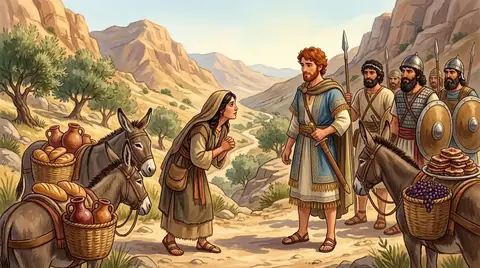 PersonAbigailThe wise and beautiful wife of foolish Nabal. Her quick thinking and humble words stopped David from taking a bloody…
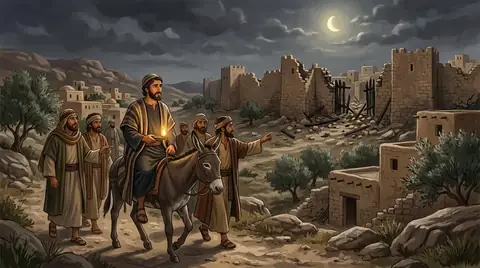 PersonNehemiahThe king of Persia's cupbearer who got leave to go to Jerusalem and rebuilt its broken walls in fifty-two days, despite…
 PersonJethroThe priest of Midian who gave Moses a home and a wife during his forty years in exile, and who later gave him wise…
 Person · ProphetDanielA young noble of Judah carried off to Babylon, who served four kings with wisdom and never bent his faith. God gave him…
Written for this app in its own words, from the Bible, with the facts checked against Bible dictionaries and encyclopedias: Easton's, Smith's, Fausset's, ISBE, Holman, the New Bible Dictionary, Vine's and the Thompson Chain topics.
