
Place · River
Nile
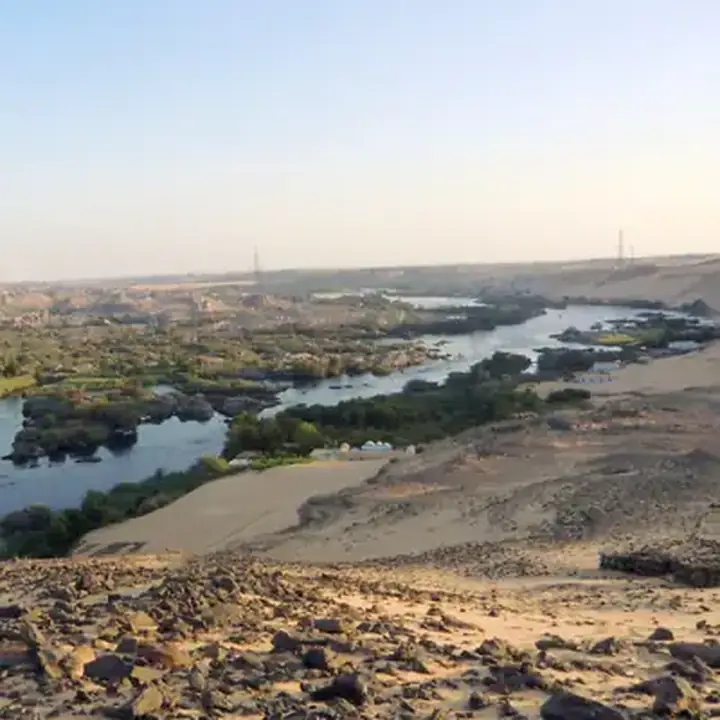
Today the Nile, through Sudan and Egypt · called "the river" and Sihor in the Bible
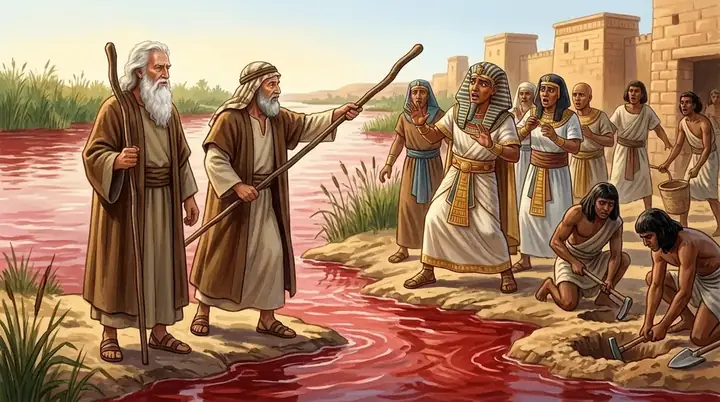
The great river of Egypt, which the Bible usually just calls "the river". Moses floated on it in a basket, and its water turned to blood in the first plague.
- Where
- Flows north through Egypt about 4,000 miles (6,650 km) from central Africa to the Mediterranean
- Known for
- Pharaoh's dream of seven cows; the baby Moses; the plagues of blood and frogs
- Why it mattered
- Egypt has almost no rain; its fields, food and wealth all came from the river's yearly flood
Where
The Nile is the world's longest river. It runs north through desert for most of its length and spreads into a wide delta before reaching the sea. Every summer, swollen by rains far to the south, it flooded its banks and left a layer of rich black mud. The Egyptians sowed in that mud, and the whole land lived from one harvest to the next on the river's rise and fall. Beyond the narrow green strip along the water there was only sand.
In the Bible
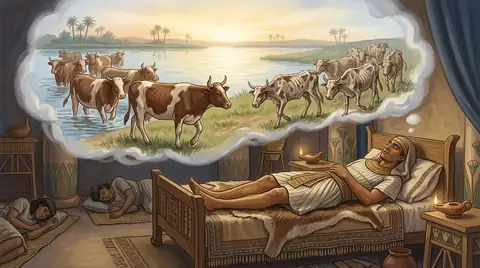
Pharaoh dreamed that seven fat cows came up out of the river, and then seven thin ones; Joseph told him it meant seven years of plenty followed by seven of famine (Genesis 41:1–32). A later Pharaoh ordered every Hebrew boy thrown into the river, and Moses' mother hid him in a basket among the reeds at its edge, where Pharaoh's daughter found him (Exodus 1:22; Exodus 2:3–6). When God sent Moses back, the first plague struck the river Egypt worshipped: Aaron struck the water with his staff and it turned to blood, the fish died and the land stank (Exodus 7:17–21). The second plague brought frogs swarming out of it (Exodus 8:3).
The prophets saw the Nile as the picture of Egypt's pride. Isaiah foretold its streams drying up and its fishermen mourning (Isaiah 19:5–8). Ezekiel pictured Pharaoh as a great crocodile in the river boasting, "My river is mine own, and I have made it for myself", whom God would drag out with hooks (Ezekiel 29:3–4). Jeremiah likened Egypt's army to the Nile in flood, rising to cover the earth and then thrown back (Jeremiah 46:7–8). The river that made Egypt great was God's to give and to take away.
Key verses
- Genesis 41:1
And it came to pass at the end of two full years, that Pharaoh dreamed: and, behold, he stood by the river.
- Exodus 2:3
And when she could not longer hide him, she took for him an ark of bulrushes, and daubed it with slime and with pitch, and put the child therein; and she laid it in the flags by the river’s brink.
- Exodus 7:20
And Moses and Aaron did so, as the Lord commanded; and he lifted up the rod, and smote the waters that were in the river, in the sight of Pharaoh, and in the sight of his servants; and all the waters that were in the river were turned to blood.
- Isaiah 19:5
And the waters shall fail from the sea, and the river shall be wasted and dried up.
- Ezekiel 29:3
Speak, and say, Thus saith the Lord God; Behold, I am against thee, Pharaoh king of Egypt, the great dragon that lieth in the midst of his rivers, which hath said, My river is mine own, and I have made it for myself.
On the map
Mentioned in 38 verses
- Genesis 5
- Exodus 17
- 1 Chronicles 1
- Isaiah 5
- Jeremiah 3
- Ezekiel 3
- Amos 2
- Nahum 1
- Zechariah 1
Read next
 Title · RulerPharaohNot a personal name but the title borne by every king of Egypt, like "Caesar". The Bible names several, the best known…
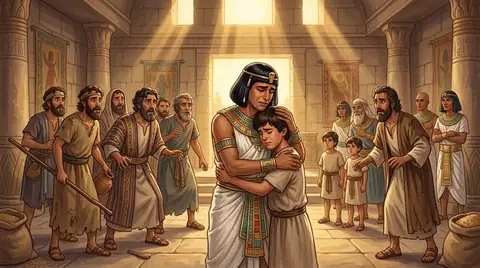 PersonJosephJacob's favourite son, sold by his brothers into Egypt, where he rose from prison to rule the land and saved his family…
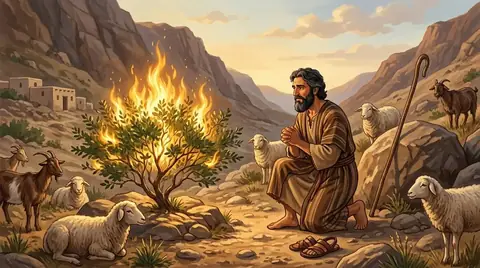 PersonMosesThe man God used to bring Israel out of Egypt, give them his Law at Sinai, and lead them for forty years in the…
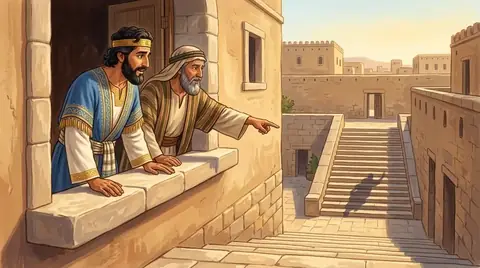 Person · ProphetIsaiahThe prophet of Jerusalem who served four kings, saw the LORD on his throne, and foretold the virgin's son, the…
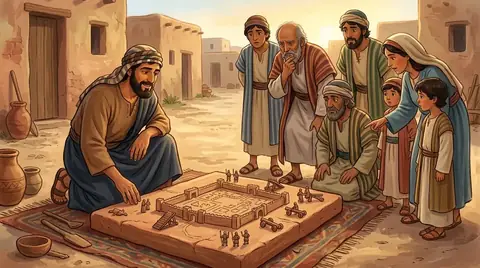 PersonEzekielA priest and prophet taken to Babylon with the exiles from Judah. By the river Chebar he saw visions of God's glory and…
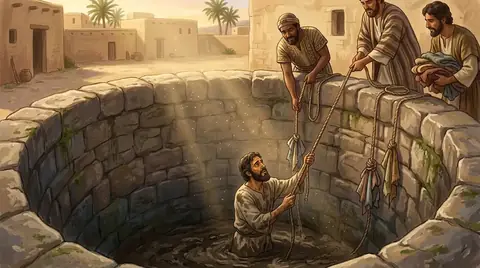 PersonJeremiahThe prophet who warned Judah for forty years that Babylon was coming, and wept as it came. He was beaten, put in the…
Written for this app in its own words, from the Bible, with the facts checked against Bible dictionaries and encyclopedias: Easton's, Smith's, Fausset's, ISBE, Holman, the New Bible Dictionary, Vine's and the Thompson Chain topics. People and places: STEPBible.org (TIPNR), CC BY 4.0; where a place is today and its photo: OpenBible.info, CC BY 4.0.
