
Teaching · Name of Christ
Messiah
meh-SY-uhHebrew mashiach, "anointed"; in Greek Christos, Christ
"The Anointed One": the King, Prophet and Priest whom God promised to send to save his people. Jesus of Nazareth is the Messiah; "Christ" is the same word in Greek.
- Meaning
- Anointed (Hebrew); Christ (Greek)
- In the KJV
- Messiah (Daniel 9:25–26); Messias (John 1:41; John 4:25)
- Anointed in Israel
- Priests, prophets and kings (Exodus 28:41; 1 Kings 19:16; 1 Samuel 16:13)
In the Old Testament
In Israel priests, kings and sometimes prophets were set apart by having oil poured on their heads, and so were called "anointed" (Exodus 28:41; 1 Samuel 16:13; 1 Kings 19:16). Over the centuries God promised one Anointed One greater than all of them. The promise began in Eden, with the woman's seed who would crush the serpent's head (Genesis 3:15). It grew: a descendant of Abraham in whom all nations would be blessed (Genesis 22:18), a ruler from Judah (Genesis 49:10), a prophet like Moses (Deuteronomy 18:15), a Son of David whose throne would last for ever (2 Samuel 7:12–16). The psalms speak of God's King and his "anointed" (Psalms 2:2; Psalms 45:7), a priest for ever after the order of Melchizedek (Psalms 110:4). The prophets saw him born in Bethlehem of a virgin (Micah 5:2; Isaiah 7:14), anointed with the Spirit to preach good news (Isaiah 61:1), and wounded for our sins (Isaiah 53:5). Daniel foretold that "Messiah the Prince" would come and be "cut off, but not for himself" (Daniel 9:25–26).
In Jesus
By Jesus' day many were longing for the Messiah. Andrew told his brother, "We have found the Messias" (John 1:41); the woman at the well heard Jesus say, "I that speak unto thee am he" (John 4:25–26). Peter confessed, "Thou art the Christ, the Son of the living God" (Matthew 16:16). Many expected a warrior to drive out Rome, but Jesus taught that the Christ must suffer and rise again (Luke 24:26–27; Luke 24:46). He was anointed not with oil but with the Holy Spirit (Acts 10:38), and is Prophet, Priest and King in one.
For us
"God hath made that same Jesus, whom ye have crucified, both Lord and Christ" (Acts 2:36). John wrote his Gospel so that we might believe that Jesus is the Christ, and have life through his name (John 20:31).
Key verses
- Daniel 9:25–26
Know therefore and understand, that from the going forth of the commandment to restore and to build Jerusalem unto the Messiah the Prince shall be seven weeks, and threescore and two weeks: the street shall be built again, and the wall, even in troublous times. And after threescore and two weeks shall Messiah be cut off, but not for himself: and the people of the prince that shall come shall destroy the city and the sanctuary; and the end thereof shall be with a flood, and unto the end of the war desolations are determined.
- Isaiah 61:1
The Spirit of the Lord God is upon me; because the Lord hath anointed me to preach good tidings unto the meek; he hath sent me to bind up the brokenhearted, to proclaim liberty to the captives, and the opening of the prison to them that are bound;
- John 1:41
He first findeth his own brother Simon, and saith unto him, We have found the Messias, which is, being interpreted, the Christ.
- John 4:25–26
The woman saith unto him, I know that Messias cometh, which is called Christ: when he is come, he will tell us all things. Jesus saith unto her, I that speak unto thee am he.
- Matthew 16:16
And Simon Peter answered and said, Thou art the Christ, the Son of the living God.
- Acts 2:36
Therefore let all the house of Israel know assuredly, that God hath made that same Jesus, whom ye have crucified, both Lord and Christ.
Read next
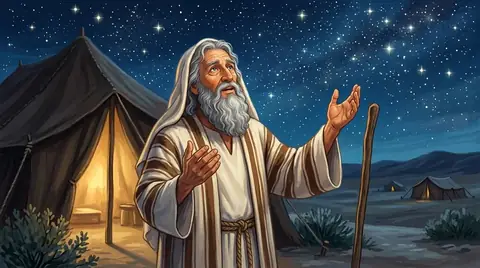 PersonAbrahamThe man God called out of Ur to a land he had never seen, promising him a people and a blessing for the whole world. He…
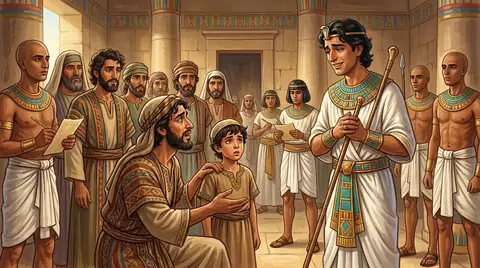 PersonJudahJacob's fourth son, who became leader among his brothers and the father of Israel's royal tribe. David, the kings of…
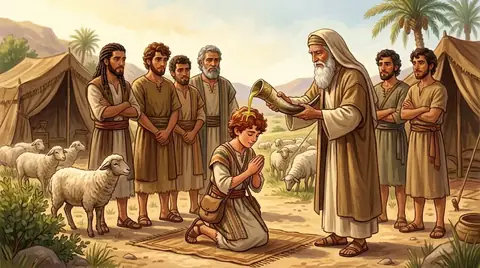 Person · KingDavidThe shepherd boy who killed Goliath and became Israel's greatest king, "a man after God's own heart". He wrote many…
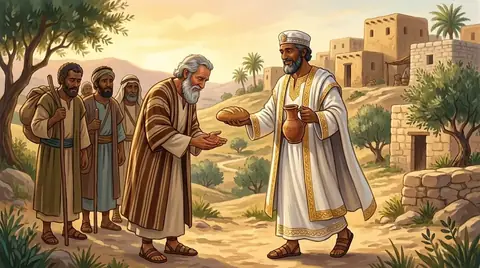 PersonMelchizedekThe mysterious king-priest of Salem who blessed Abraham and received his tithes. Psalm 110 and Hebrews make him a…
Written for this app in its own words, from the Bible, with the facts checked against Bible dictionaries and encyclopedias: Easton's, Smith's, Fausset's, ISBE, Holman, the New Bible Dictionary, Vine's and the Thompson Chain topics.
