
Custom
Madness
Loss of reason. The Bible uses the word for real insanity, for blind rage and for folly. David pretended to be mad at Gath, and Jesus' enemies said he was mad when he spoke of laying down his life.
- Feigned
- David before Achish (1 Samuel 21:13)
- Said of
- Jesus (John 10:20); Paul (Acts 26:24)
In the Bible
Among the curses for breaking God's covenant was madness at what one's eyes would see (Deuteronomy 28:28; Deuteronomy 28:34). Fleeing Saul, David went to Gath and grew afraid of King Achish, so "he changed his behaviour before them, and feigned himself mad", scrabbling on the gate and letting spittle run down his beard. Achish asked why he had been brought a madman (1 Samuel 21:12–15). King Nebuchadnezzar, in his pride, lost his reason and lived like an animal until he looked up to heaven (Daniel 4:33–34).
Other senses
"Madness" can also be rage: the Pharisees "were filled with madness" when Jesus healed on the Sabbath (Luke 6:11). It can be the folly of sin: "madness is in their heart while they live" (Ecclesiastes 9:3). The prophet Balaam's madness was checked by a donkey (2 Peter 2:16). When Jesus spoke of laying down his life, some said, "He hath a devil, and is mad" (John 10:20), and Festus told Paul that much learning had made him mad. Paul answered, "I am not mad, most noble Festus; but speak forth the words of truth and soberness" (Acts 26:24–25).
Key verses
- 1 Samuel 21:13
And he changed his behaviour before them, and feigned himself mad in their hands, and scrabbled on the doors of the gate, and let his spittle fall down upon his beard.
- Daniel 4:33–34
The same hour was the thing fulfilled upon Nebuchadnezzar: and he was driven from men, and did eat grass as oxen, and his body was wet with the dew of heaven, till his hairs were grown like eagles’ feathers, and his nails like birds’ claws. And at the end of the days I Nebuchadnezzar lifted up mine eyes unto heaven, and mine understanding returned unto me, and I blessed the most High, and I praised and honoured him that liveth for ever, whose dominion is an everlasting dominion, and his kingdom is from generation to generation:
- Luke 6:11
And they were filled with madness; and communed one with another what they might do to Jesus.
- John 10:20
And many of them said, He hath a devil, and is mad; why hear ye him?
- Acts 26:24–25
And as he thus spake for himself, Festus said with a loud voice, Paul, thou art beside thyself; much learning doth make thee mad. But he said, I am not mad, most noble Festus; but speak forth the words of truth and soberness.
Read next
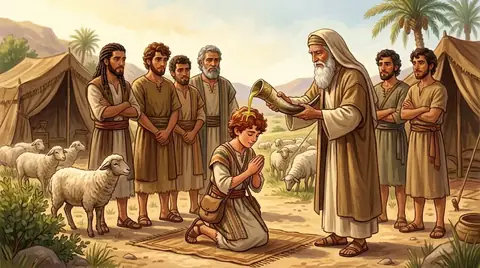 Person · KingDavidThe shepherd boy who killed Goliath and became Israel's greatest king, "a man after God's own heart". He wrote many…
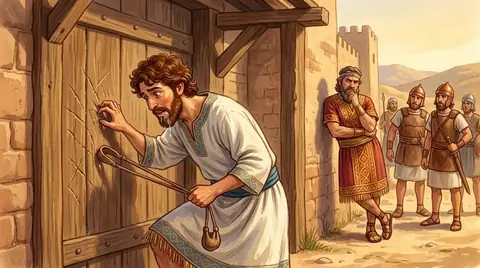 PersonAchishThe Philistine king of Gath who twice gave David shelter when he was running from Saul. He trusted David more than…
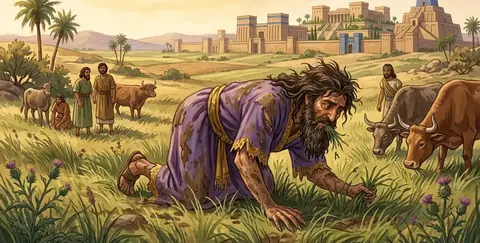 Person · KingNebuchadnezzarThe great king of Babylon who destroyed Jerusalem and its temple and carried Judah into exile. In Daniel he dreams of a…
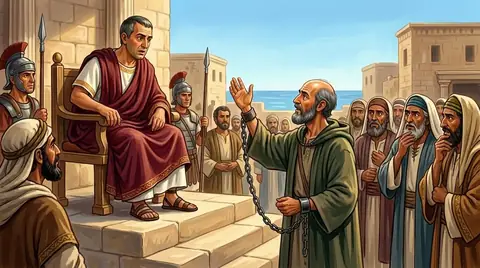 PersonFestusThe governor who took over from Felix, heard Paul's appeal to Caesar and brought him before King Agrippa, exclaiming…
Written for this app in its own words, from the Bible, with the facts checked against Bible dictionaries and encyclopedias: Easton's, Smith's, Fausset's, ISBE, Holman, the New Bible Dictionary, Vine's and the Thompson Chain topics.
