
Custom · Sacrifice
Liver
The large organ was burned on the altar with the fat and kidneys in Israel's sacrifices, never eaten. Pagan kings examined the livers of animals to read the future, which God's law forbade.
- Where
- Exodus 29:13; Leviticus 3:4; Ezekiel 21:21
In the sacrifices
When a peace offering or sin offering was made, the priest removed the fat round the inner organs, the two kidneys, and "the caul above the liver", the fatty lobe attached to it, and burned them all on the altar as God's portion (Exodus 29:13; Leviticus 3:4; Leviticus 4:9). The rest of the animal might be eaten by the priests or the worshipper, but these parts were the LORD's. The Hebrew name for the liver means "heavy", because it is the heaviest of the inner organs.
Reading the liver
Heathen peoples thought the liver of a sacrificed animal showed what the gods intended, and their priests studied its shape and markings. Ezekiel pictures the king of Babylon standing at a fork in the road, shaking his arrows, consulting his idols and looking at the liver, to decide whether to march on Jerusalem (Ezekiel 21:21). Such divination was forbidden to Israel (Deuteronomy 18:10–12); God's people were to ask him, not the entrails of a sheep.
Key verses
- Exodus 29:13
And thou shalt take all the fat that covereth the inwards, and the caul that is above the liver, and the two kidneys, and the fat that is upon them, and burn them upon the altar.
- Leviticus 3:4
And the two kidneys, and the fat that is on them, which is by the flanks, and the caul above the liver, with the kidneys, it shall he take away.
- Ezekiel 21:21
For the king of Babylon stood at the parting of the way, at the head of the two ways, to use divination: he made his arrows bright, he consulted with images, he looked in the liver.
Read next
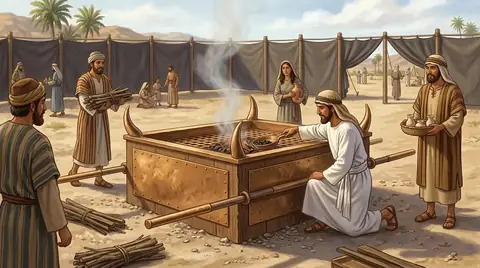 Thing · WorshipThe altarA raised structure of earth, stone or bronze on which sacrifices were offered to God. The big bronze altar stood in the…
 PersonEzekielA priest and prophet taken to Babylon with the exiles from Judah. By the river Chebar he saw visions of God's glory and…
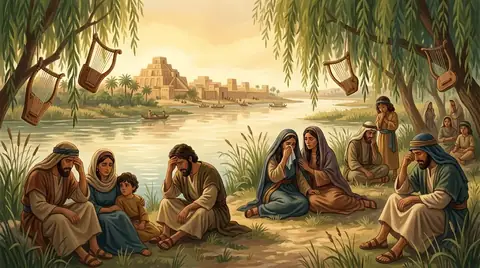 Place · CityBabylonThe great city on the Euphrates where the tower of Babel was built. Under Nebuchadnezzar it ruled the world, destroyed…Custom · ForbiddenDivination and sorceryThe nations' ways of prying into the future or gaining power from spirits: omens, spells, charms and calling up the…
Written for this app in its own words, from the Bible, with the facts checked against Bible dictionaries and encyclopedias: Easton's, Smith's, Fausset's, ISBE, Holman, the New Bible Dictionary, Vine's and the Thompson Chain topics.
