
Teaching
Industry
Hard, steady work. God gave Adam work before the fall, the law commanded six days of labour, Proverbs praises the diligent, and Paul worked with his hands and said that if anyone will not work, neither should he eat.
- See also
- Sluggard, Labour, Sabbath
In the Old Testament
God put the man in the garden "to dress it and to keep it" (Genesis 2:15). "Six days thou shalt labour, and do all thy work" (Exodus 20:9). Proverbs is full of it: "the hand of the diligent maketh rich" (Proverbs 10:4); "Seest thou a man diligent in his business? he shall stand before kings" (Proverbs 22:29). The ant, without any ruler, gathers its food in summer (Proverbs 6:6–8; Proverbs 30:25). The virtuous woman "worketh willingly with her hands" (Proverbs 31:13). "Whatsoever thy hand findeth to do, do it with thy might" (Ecclesiastes 9:10). Solomon promoted Jeroboam because he saw how industrious he was (1 Kings 11:28).
In the New Testament
Paul worked as a tentmaker so as not to burden the churches (Acts 18:3; Acts 20:34). He tells believers to "work with your own hands" so as to need nothing and to have something to give (1 Thessalonians 4:11–12; Ephesians 4:28). "If any would not work, neither should he eat" (2 Thessalonians 3:10).
For us
"Not slothful in business; fervent in spirit; serving the Lord" (Romans 12:11). Ordinary work, done well, is service to God.
Key verses
- Genesis 2:15
And the Lord God took the man, and put him into the garden of Eden to dress it and to keep it.
- Proverbs 10:4
He becometh poor that dealeth with a slack hand: but the hand of the diligent maketh rich.
- Ecclesiastes 9:10
Whatsoever thy hand findeth to do, do it with thy might; for there is no work, nor device, nor knowledge, nor wisdom, in the grave, whither thou goest.
- Ephesians 4:28
Let him that stole steal no more: but rather let him labour, working with his hands the thing which is good, that he may have to give to him that needeth.
- 2 Thessalonians 3:10
For even when we were with you, this we commanded you, that if any would not work, neither should he eat.
Read next
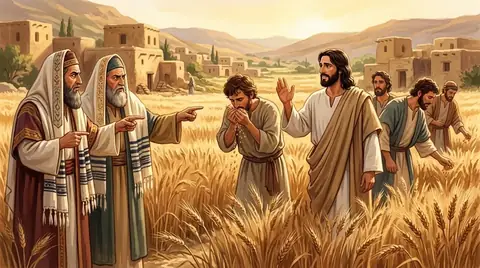 Custom · Day of restThe SabbathThe seventh day of the week, kept holy for rest and worship because God rested after creation. It was the sign of God's…
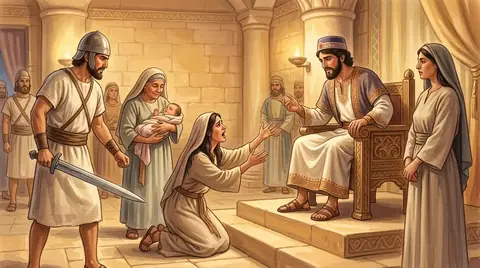 Person · KingSolomonDavid's son and Israel's third king, who asked God for wisdom and received riches and fame as well. He built the temple…
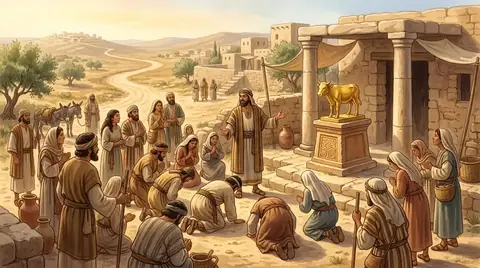 PersonJeroboamSolomon's overseer who became the first king of the breakaway northern kingdom. He set up golden calves at Bethel and…
Written for this app in its own words, from the Bible, with the facts checked against Bible dictionaries and encyclopedias: Easton's, Smith's, Fausset's, ISBE, Holman, the New Bible Dictionary, Vine's and the Thompson Chain topics.
