
Law
Incest
Sexual relations or marriage between close relatives. The law of Moses forbade it in detail, and the Bible records the shame and harm it brought, from Lot's daughters to Amnon and Herod.
- Law
- Leviticus 18:6–18; Leviticus 20:11–21; Deuteronomy 27:20–23
- See also
- Marriage, Adultery
The law
"None of you shall approach to any that is near of kin to him, to uncover their nakedness: I am the LORD" (Leviticus 18:6). Leviticus lists who is forbidden: parents and step-parents, sisters and half-sisters, grandchildren, aunts, daughters-in-law and sisters-in-law, and a woman together with her daughter. These were the practices of Egypt and Canaan, which God was driving out (Leviticus 18:3, 24–25). In the ceremony of curses at Mount Ebal the people said "Amen" to them (Deuteronomy 27:20–23).
In the Bible's story
Before the law, marriages between near relatives took place: Abraham married his half-sister (Genesis 20:12), and Amram married his father's sister (Exodus 6:20). But the Bible shows the bitter fruit of incest: Lot's daughters bore Moab and Ammon (Genesis 19:30–38); Reuben lay with his father's concubine and lost his birthright (Genesis 35:22; 1 Chronicles 5:1); Amnon forced his half-sister Tamar and was murdered for it (2 Samuel 13).
In the New Testament
John the Baptist told Herod Antipas, "It is not lawful for thee to have thy brother's wife", and it cost him his life (Mark 6:17–18). Paul ordered the Corinthian church to put out a man living with his father's wife (1 Corinthians 5:1–5).
Key verses
- Leviticus 18:6
None of you shall approach to any that is near of kin to him, to uncover their nakedness: I am the Lord.
- Deuteronomy 27:20
Cursed be he that lieth with his father’s wife; because he uncovereth his father’s skirt. And all the people shall say, Amen.
- 2 Samuel 13:14
Howbeit he would not hearken unto her voice: but, being stronger than she, forced her, and lay with her.
- Mark 6:18
For John had said unto Herod, It is not lawful for thee to have thy brother’s wife.
- 1 Corinthians 5:1
It is reported commonly that there is fornication among you, and such fornication as is not so much as named among the Gentiles, that one should have his father’s wife.
Read next
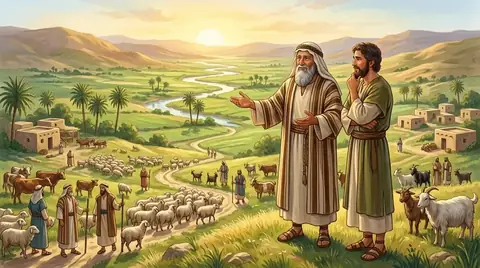 PersonLotAbraham's nephew, who chose the rich plain of Jordan and settled in Sodom. Angels dragged him out before the city…
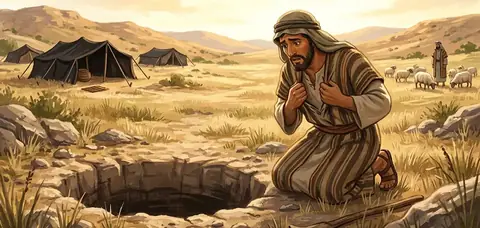 Person · TribeReubenJacob's firstborn, who lost the rights of the eldest by sleeping with his father's concubine. He tried to save Joseph…PersonAmnonKing David's firstborn son, who raped his half-sister Tamar and was murdered two years later by her brother Absalom.…PersonTamarThe name of several women. The best known are Judah's daughter-in-law, an ancestor of Jesus, and David's daughter, who…
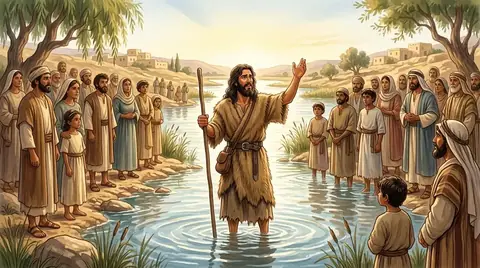 PersonJohn the BaptistThe prophet God sent to prepare the way for Jesus. He called Israel to repent, baptized in the Jordan, pointed to Jesus…
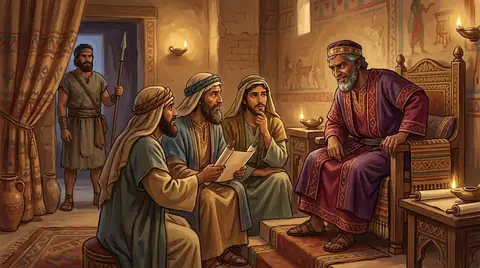 Person · KingHerodThe name of a family of rulers under Rome. Herod the Great tried to kill the infant Jesus; his son Antipas beheaded…
Written for this app in its own words, from the Bible, with the facts checked against Bible dictionaries and encyclopedias: Easton's, Smith's, Fausset's, ISBE, Holman, the New Bible Dictionary, Vine's and the Thompson Chain topics.
