
Teaching
Holiness
Being set apart for God and clean from sin. Holiness belongs to God above all; he shares it with his people, and calls them to become in practice what he has made them.
- God is holy
- Isaiah 6:3; Revelation 4:8; Revelation 15:4
- The call
- "Be ye holy; for I am holy" (Leviticus 11:44; 1 Peter 1:16)
- Grown by
- The Spirit, through the Word, in daily obedience (2 Corinthians 7:1; Hebrews 12:14)
What it is
To be holy is to be set apart, different, belonging to God. The word is used first of God himself. The seraphim cry "Holy, holy, holy" before his throne (Isaiah 6:3): he is utterly pure, and utterly other than anything he has made. Then it is used of whatever God claims for himself. The Sabbath is holy, the tabernacle and its furniture are holy, the priests are holy, and Israel is to be "an holy nation" (Exodus 19:6). What belongs to God must be clean, so holiness also means being free from sin.
In the Old Testament
Israel was taught holiness through things it could see: clean and unclean foods, washings, the veil that shut off the Most Holy Place, the plate on the high priest's turban reading "Holiness to the LORD" (Exodus 28:36). Behind all of it was the command, "Ye shall be holy: for I the LORD your God am holy" (Leviticus 19:2), followed in the same chapter by very practical rules about honest weights, fair wages and loving your neighbour. Holiness was never meant to stop at the temple door.
In Jesus
Jesus is "the Holy One of God" (Mark 1:24), the one person who lived a wholly holy life. Those who trust him are called "saints", holy ones, not because they have become perfect but because he has set them apart for God and washed them in his blood (1 Corinthians 1:2; 1 Corinthians 6:11). And God's purpose is to make them in fact what they are by his gift: he chose them "that we should be holy and without blame before him" (Ephesians 1:4).
For us
Holiness is not gloom or strictness; it is becoming like the God we belong to. Peter quotes Leviticus to ordinary Christians: "Be ye holy; for I am holy" (1 Peter 1:16). It is a work of the Holy Spirit, slow, and fought for against many hindrances, which is why the New Testament so often says to watch, pray and keep going. Without it "no man shall see the Lord" (Hebrews 12:14); with it comes the promise of seeing him.
Key verses
- Isaiah 6:3
And one cried unto another, and said, Holy, holy, holy, is the Lord of hosts: the whole earth is full of his glory.
- Leviticus 19:2
Speak unto all the congregation of the children of Israel, and say unto them, Ye shall be holy: for I the Lord your God am holy.
- 1 Peter 1:15–16
But as he which hath called you is holy, so be ye holy in all manner of conversation; Because it is written, Be ye holy; for I am holy.
- Hebrews 12:14
Follow peace with all men, and holiness, without which no man shall see the Lord:
- 2 Corinthians 7:1
Having therefore these promises, dearly beloved, let us cleanse ourselves from all filthiness of the flesh and spirit, perfecting holiness in the fear of God.
Read next
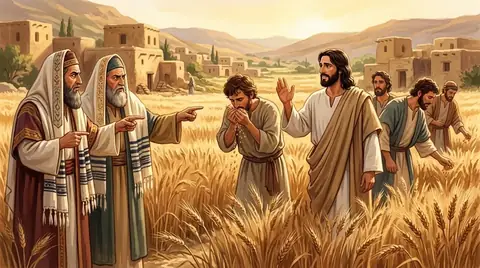 Custom · Day of restThe SabbathThe seventh day of the week, kept holy for rest and worship because God rested after creation. It was the sign of God's…
 Thing · WorshipThe Most Holy PlaceThe inner room of the tabernacle and of the temple, a cube shut off by a thick curtain, where the ark stood and God's…
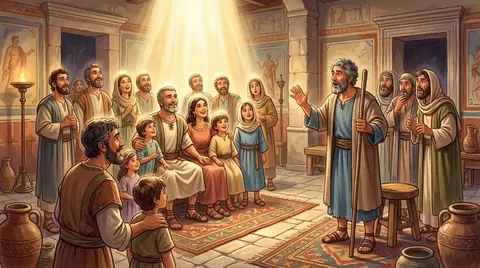 Name of GodThe Holy SpiritGod himself: the third person of the Trinity, one God together with the Father and the Son. He gives life, spoke…
Written for this app in its own words, from the Bible, with the facts checked against Bible dictionaries and encyclopedias: Easton's, Smith's, Fausset's, ISBE, Holman, the New Bible Dictionary, Vine's and the Thompson Chain topics.
