
Saying
Flesh and blood
A Bible phrase for human beings, as weak and mortal
A way of saying "mere humans", with the thought that they are frail and will die. No flesh and blood told Peter who Jesus was; flesh and blood cannot inherit God's kingdom; and the Christian's real enemies are not flesh and blood.
- Where
- Matthew 16:17; 1 Corinthians 15:50; Galatians 1:16; Ephesians 6:12; Hebrews 2:14
What it means
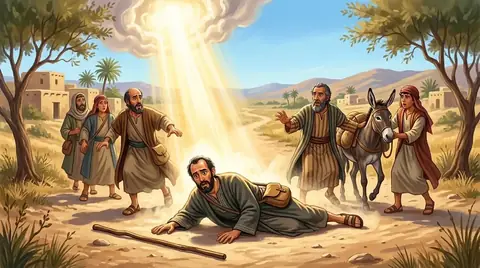
A living person is made of flesh and blood, and that is all a person is, left to themselves: mortal, limited, and easily broken. So when Peter confessed that Jesus was the Christ, Jesus said, "flesh and blood hath not revealed it unto thee, but my Father which is in heaven" (Matthew 16:17). No human teacher had worked it out for him; God had shown him. Paul says the same of his own call: he "conferred not with flesh and blood" but went straight to work (Galatians 1:16).
Three more uses
Paul writes that "flesh and blood cannot inherit the kingdom of God" (1 Corinthians 15:50). Our bodies as they are, weak and dying, are not fit for the world to come; they must be changed and raised. In Ephesians he warns that "we wrestle not against flesh and blood", not against people, but against the dark spiritual powers behind them (Ephesians 6:12). And Hebrews turns the phrase on its head: because the children share flesh and blood, Jesus "likewise took part of the same", so that by dying he could destroy the devil, who had the power of death (Hebrews 2:14). The Son of God became flesh and blood to rescue flesh and blood. See also flesh.
Key verses
- Matthew 16:17
And Jesus answered and said unto him, Blessed art thou, Simon Bar–jona: for flesh and blood hath not revealed it unto thee, but my Father which is in heaven.
- 1 Corinthians 15:50
Now this I say, brethren, that flesh and blood cannot inherit the kingdom of God; neither doth corruption inherit incorruption.
- Ephesians 6:12
For we wrestle not against flesh and blood, but against principalities, against powers, against the rulers of the darkness of this world, against spiritual wickedness in high places.
- Hebrews 2:14
Forasmuch then as the children are partakers of flesh and blood, he also himself likewise took part of the same; that through death he might destroy him that had the power of death, that is, the devil;
Read next
Written for this app in its own words, from the Bible, with the facts checked against Bible dictionaries and encyclopedias: Easton's, Smith's, Fausset's, ISBE, Holman, the New Bible Dictionary, Vine's and the Thompson Chain topics.
