
Custom · Farming
Fallow-ground
Land left unploughed, which soon grows hard and full of weeds. Jeremiah and Hosea told Israel to "break up your fallow ground": to clear their hearts by repentance so that God's word could take root.
- Jeremiah
- Jeremiah 4:3
- Hosea
- Hosea 10:12
- See also
- Agriculture
A farmer sometimes let a field rest, but in a season or two it was overgrown with thorns and the soil packed hard. Before he could sow, he had to plough it up and clear it. Seed thrown on such ground would be wasted.
So God said through Jeremiah, "Break up your fallow ground, and sow not among thorns" (Jeremiah 4:3). Hosea added, "Sow to yourselves in righteousness, reap in mercy; break up your fallow ground: for it is time to seek the LORD, till he come and rain righteousness upon you" (Hosea 10:12). A heart left alone hardens. Repentance is the plough that makes room for God's word, as Jesus taught in the parable of the sower (Matthew 13:3–8).
Key verses
- Jeremiah 4:3
For thus saith the Lord to the men of Judah and Jerusalem, Break up your fallow ground, and sow not among thorns.
- Hosea 10:12
Sow to yourselves in righteousness, reap in mercy; break up your fallow ground: for it is time to seek the Lord, till he come and rain righteousness upon you.
- Matthew 13:3–8
And he spake many things unto them in parables, saying, Behold, a sower went forth to sow; And when he sowed, some seeds fell by the way side, and the fowls came and devoured them up: Some fell upon stony places, where they had not much earth: and forthwith they sprung up, because they had no deepness of earth: …
Read next
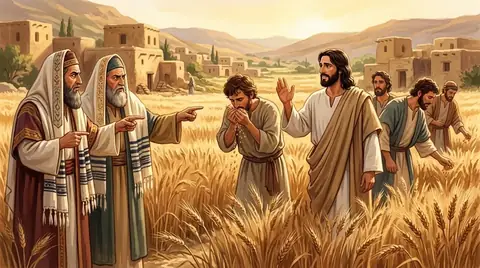 Custom · Daily lifeAgricultureFarming was the main work of Israel: ploughing after the autumn rains, sowing grain, harvesting barley and wheat in…
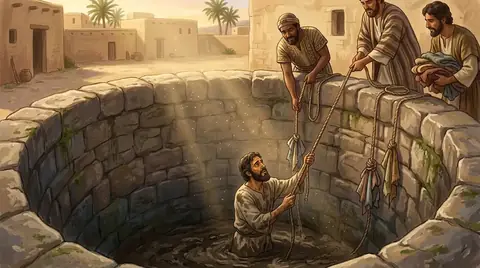 PersonJeremiahThe prophet who warned Judah for forty years that Babylon was coming, and wept as it came. He was beaten, put in the…
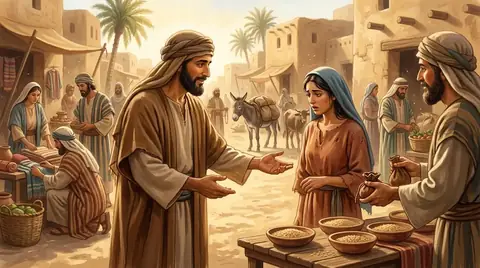 Person · ProphetHoseaThe prophet God sent to Israel, the northern kingdom, in its last years. God told him to marry Gomer, who was…
Written for this app in its own words, from the Bible, with the facts checked against Bible dictionaries and encyclopedias: Easton's, Smith's, Fausset's, ISBE, Holman, the New Bible Dictionary, Vine's and the Thompson Chain topics.
