
Place · City
Ephesus
EF-eh-susChief city of the Roman province of Asia · today ruins near Selçuk, Turkey
The great port and temple city of western Asia Minor where Paul preached for three years, a riot broke out over the goddess Diana, and one of the seven churches of Revelation stood.
- Where
- Near the mouth of the river Cayster on the west coast of what is now Turkey
- Known for
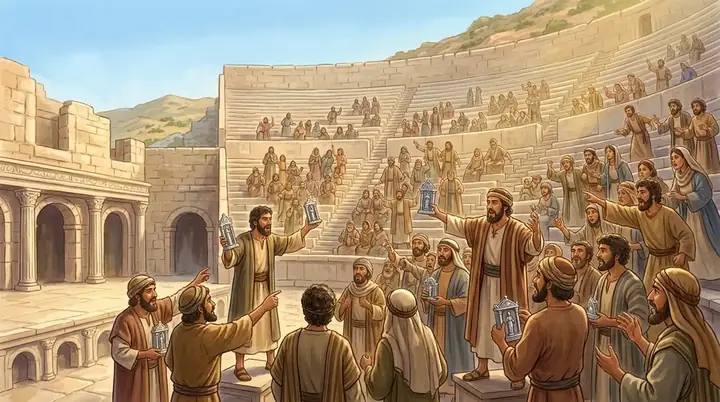
- The temple of Diana (Artemis), which the ancients counted among their seven wonders; a theatre seating 25,000
- In the Bible
- Paul's longest stay (Acts 19); the letter to the Ephesians; Timothy's post (1 Timothy 1:3); the first of the seven churches (Revelation 2:1–7)
- Today
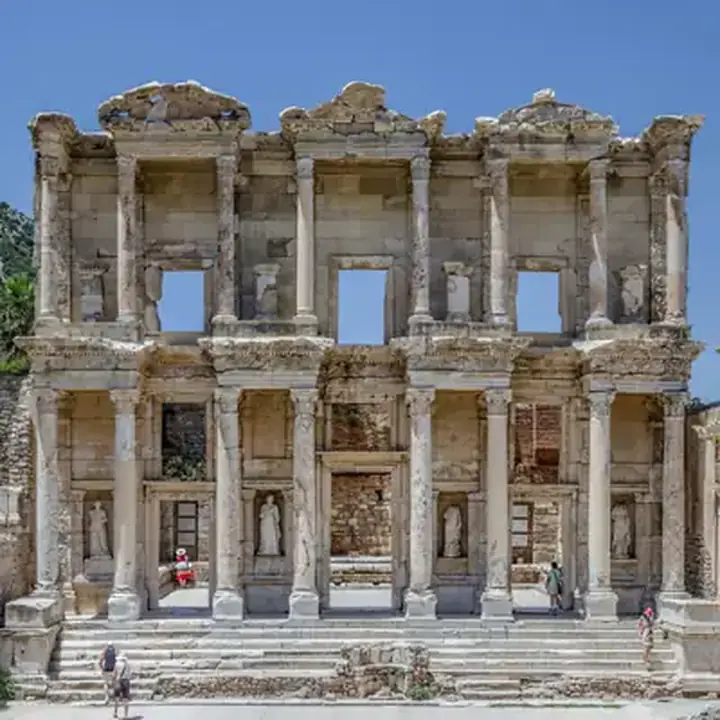
- Large ruins, the theatre still standing; the harbour silted up long ago
Where and why it mattered
Ephesus was the biggest city of Roman Asia, a harbour where the road from the east met the sea, with a huge marble temple of the goddess Diana, which pilgrims came from everywhere to see. The city lived on trade, tourism and magic; its "Ephesian letters" were famous charms. Jews had lived there for generations and had a synagogue.
In the New Testament
Paul called briefly on his way home from his second journey and left Priscilla and Aquila there, who taught Apollos the way of God more fully (Acts 18:19–26). On his third journey he came back and stayed about three years, longer than anywhere else. He taught in the synagogue, then daily in a lecture hall, and God did unusual miracles through him, so that "all they which dwelt in Asia heard the word" (Acts 19:1–12). The seven sons of Sceva tried to copy his exorcisms and were beaten by the demon, and many believers burned their books of magic, worth fifty thousand silver pieces (Acts 19:13–20). Then Demetrius the silversmith, who made shrines of Diana, stirred up a riot. The crowd packed the theatre shouting "Great is Diana of the Ephesians" for two hours until the town clerk calmed them (Acts 19:23–41). Paul left for Macedonia, and on his way to Jerusalem called the Ephesian elders to Miletus for a tearful farewell (Acts 20:17–38).
Later Paul wrote the letter to the Ephesians from prison, and left Timothy in charge of the church (1 Timothy 1:3). Tychicus, Trophimus and the faithful Onesiphorus were connected with the city (Acts 21:29; 2 Timothy 1:18; 2 Timothy 4:12). In Revelation the risen Christ praises the Ephesian church for its hard work and its stand against false teachers, but warns that it has left its first love (Revelation 2:1–7). Tradition says the apostle John lived to old age in Ephesus and was buried there.
Today
The city's harbour filled with silt and Ephesus was abandoned. Its ruins are among the finest in the Mediterranean: the marble street, the library, the theatre of the riot, and a single column left of the temple of Diana.
Key verses
- Acts 19:10
And this continued by the space of two years; so that all they which dwelt in Asia heard the word of the Lord Jesus, both Jews and Greeks.
- Acts 19:28
And when they heard these sayings, they were full of wrath, and cried out, saying, Great is Diana of the Ephesians.
- Acts 20:28–31
Take heed therefore unto yourselves, and to all the flock, over the which the Holy Ghost hath made you overseers, to feed the church of God, which he hath purchased with his own blood. For I know this, that after my departing shall grievous wolves enter in among you, not sparing the flock. Also of your own selves shall men arise, speaking perverse things, to draw away disciples after them. …
- Ephesians 1:1
Paul, an apostle of Jesus Christ by the will of God, to the saints which are at Ephesus, and to the faithful in Christ Jesus:
- Revelation 2:4–5
Nevertheless I have somewhat against thee, because thou hast left thy first love. Remember therefore from whence thou art fallen, and repent, and do the first works; or else I will come unto thee quickly, and will remove thy candlestick out of his place, except thou repent.
On the map
Mentioned in 22 verses
- Acts 12
- 1 Corinthians 2
- Ephesians 2
- 1 Timothy 1
- 2 Timothy 3
- Revelation 2
Read next
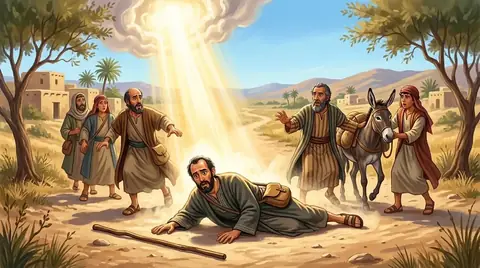 PersonPaulA Pharisee who hated the church until the risen Jesus met him on the road to Damascus. He became the apostle to the…
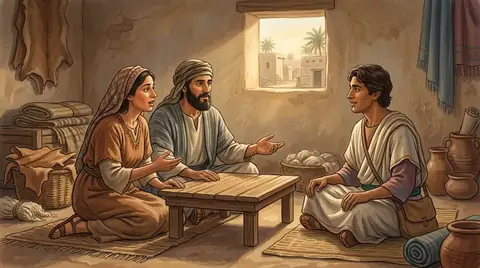 PersonPriscillaA Jewish Christian woman who, with her husband Aquila, made tents alongside Paul, taught Apollos the way of God more…PersonApollosA learned Jew from Alexandria who preached Jesus with great power. Priscilla and Aquila taught him more fully at…
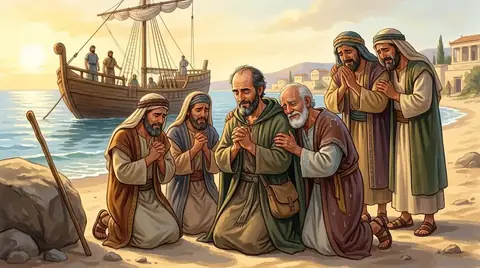 PlaceMiletusA Greek port city on the west coast of what is now Turkey. Paul met the elders of Ephesus here and said goodbye to…
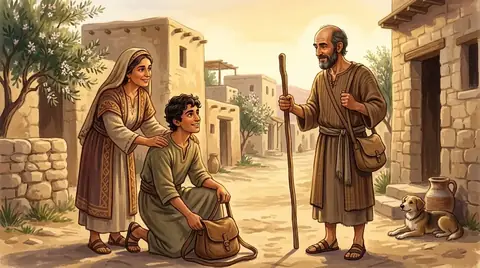 PersonTimothyPaul's young helper and closest co-worker. He came from Lystra, travelled with Paul on his journeys, carried his…
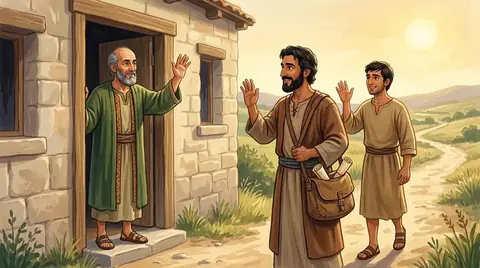 PersonTychicusA believer from the province of Asia who travelled with Paul and carried his letters to the Ephesians and Colossians.…
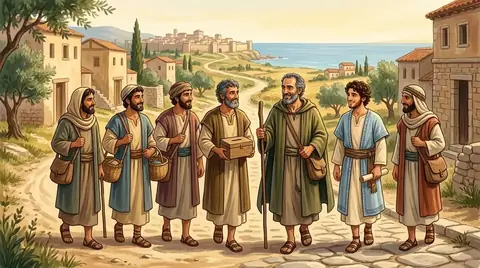 PersonTrophimusA Gentile Christian from Ephesus who travelled with Paul. When he was seen with Paul in Jerusalem, a rumour that Paul…
Written for this app in its own words, from the Bible, with the facts checked against Bible dictionaries and encyclopedias: Easton's, Smith's, Fausset's, ISBE, Holman, the New Bible Dictionary, Vine's and the Thompson Chain topics. People and places: STEPBible.org (TIPNR), CC BY 4.0; where a place is today and its photo: OpenBible.info, CC BY 4.0.
