
Thing · Weather
Drought
In the land of Israel no rain falls from May to October, and if the autumn and spring rains fail there is famine. God sent drought as a warning to his people, and ended Elijah's three-year drought with a downpour.
- Where
- Deuteronomy 28:23–24; 1 Kings 17:1; 1 Kings 18:41–45; Jeremiah 14:1–6; Haggai 1:10–11; James 5:17–18
- The seasons
- Early rains in October and November; latter rains in March and April; dry summer between
- Famous droughts
- In Elijah's day, three and a half years (Luke 4:25); in Haggai's, for neglecting the temple
The land
Israel had no great river like Egypt's Nile. It drank "water of the rain of heaven" (Deuteronomy 11:11), and everything hung on the two rainy seasons. Through the long summer only the heavy dews kept the vines and olives alive; Jacob remembered the "drought" of the day and the frost of the night as a shepherd (Genesis 31:40). If the early rains were late the seed could not be sown; if the latter rains failed the grain withered. A single bad year meant hunger, and two meant ruin.
Drought as a warning
God told Israel plainly that if they turned from him the sky would be brass and the earth iron, and the rain would be powder and dust (Deuteronomy 28:23–24), but that if they repented he would hear from heaven and send rain (1 Kings 8:35–36). So Elijah shut the heavens by his word for three years and a half, and opened them again on Mount Carmel after the fire fell and the people turned back to the LORD (1 Kings 17:1; 1 Kings 18:41–45). Jeremiah describes a drought in which the nobles sent servants to empty cisterns, the farmers hid their faces and the deer left her fawn, and he cried to God on behalf of the people (Jeremiah 14:1–9). After the exile the harvests failed because the people built their own houses and left God's house in ruins (Haggai 1:9–11).
What it means
The believer whose delight is in God's law is a tree by the water, unworried by drought (Jeremiah 17:8; Psalms 1:3). The dry soul, too, finds in God a spring: "He shall satisfy thy soul in drought" (Isaiah 58:11; Isaiah 44:3). And James reminds us that Elijah was a man like us, and that the prayer of a righteous person is powerful (James 5:17–18).
Key verses
- Deuteronomy 11:11
But the land, whither ye go to possess it, is a land of hills and valleys, and drinketh water of the rain of heaven:
- 1 Kings 17:1
And Elijah the Tishbite, who was of the inhabitants of Gilead, said unto Ahab, As the Lord God of Israel liveth, before whom I stand, there shall not be dew nor rain these years, but according to my word.
- Jeremiah 14:1–4
The word of the Lord that came to Jeremiah concerning the dearth. Judah mourneth, and the gates thereof languish; they are black unto the ground; and the cry of Jerusalem is gone up. And their nobles have sent their little ones to the waters: they came to the pits, and found no water; they returned with their vessels empty; they were ashamed and confounded, and covered their heads. …
- Jeremiah 17:8
For he shall be as a tree planted by the waters, and that spreadeth out her roots by the river, and shall not see when heat cometh, but her leaf shall be green; and shall not be careful in the year of drought, neither shall cease from yielding fruit.
- James 5:17–18
Elias was a man subject to like passions as we are, and he prayed earnestly that it might not rain: and it rained not on the earth by the space of three years and six months. And he prayed again, and the heaven gave rain, and the earth brought forth her fruit.
Read next
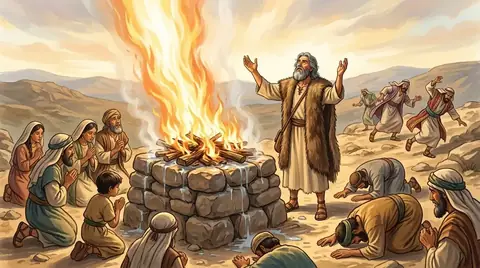 PersonElijahThe fiery prophet who stood alone against King Ahab and the prophets of Baal, called down fire on Mount Carmel, and was…
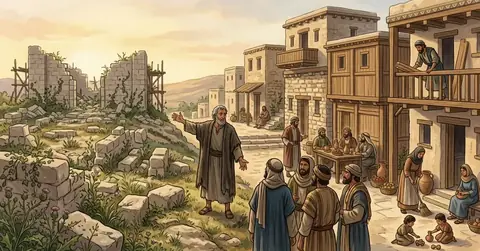 PersonHaggaiThe prophet who, in 520 BC, roused the Jews back from exile to finish rebuilding the temple they had neglected for…
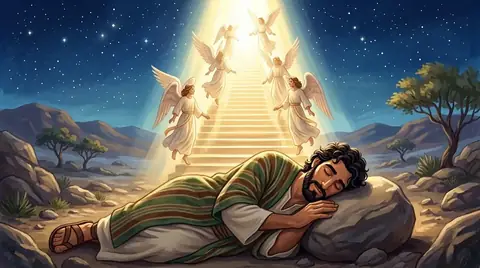 PersonJacobIsaac's younger twin son, who won his brother's birthright and blessing by cunning, was changed by God, and was renamed…PlaceCarmelMount Carmel is the wooded ridge by the sea where Elijah faced the prophets of Baal. Carmel was also a town in Judah's…
Written for this app in its own words, from the Bible, with the facts checked against Bible dictionaries and encyclopedias: Easton's, Smith's, Fausset's, ISBE, Holman, the New Bible Dictionary, Vine's and the Thompson Chain topics.
