

Custom · Court
Cupbearers
A trusted officer who poured the king's wine and tasted it first. Because he stood so near the king, he had the king's ear: Nehemiah used that place to ask leave to rebuild Jerusalem.
- In the Bible
- Pharaoh's chief butler (Genesis 40); Solomon's cupbearers (1 Kings 10:5); Nehemiah (Nehemiah 1:11)
What he did
Kings feared poison, so the man who handed them their wine had to be someone they trusted completely. He tasted the cup before the king drank, and he was often at the king's side at meals and feasts. A good cupbearer was well paid and listened to, and the post could lead to higher things.
In the Bible
Pharaoh's chief butler, as the KJV calls him, was a cupbearer. In prison he told Joseph his dream, and Joseph said he would be back at his post in three days. He was, but he forgot Joseph for two whole years, until Pharaoh's own dream reminded him (Genesis 40:1–23; Genesis 41:9–13). The Queen of Sheba noticed Solomon's cupbearers among the splendours of his court (1 Kings 10:5).
Nehemiah was cupbearer to Artaxerxes of Persia. When the king saw his sad face and asked the reason, Nehemiah sent up a quick prayer and asked to be sent to rebuild the walls of Jerusalem (Nehemiah 2:1–6). A Jewish exile had risen to the one place from which such a request could be made.
Key verses
- Genesis 40:21
And he restored the chief butler unto his butlership again; and he gave the cup into Pharaoh’s hand:
- Genesis 41:9
Then spake the chief butler unto Pharaoh, saying, I do remember my faults this day:
- Nehemiah 1:11
O Lord, I beseech thee, let now thine ear be attentive to the prayer of thy servant, and to the prayer of thy servants, who desire to fear thy name: and prosper, I pray thee, thy servant this day, and grant him mercy in the sight of this man. For I was the king’s cupbearer.
- Nehemiah 2:1–6
And it came to pass in the month Nisan, in the twentieth year of Artaxerxes the king, that wine was before him: and I took up the wine, and gave it unto the king. Now I had not been beforetime sad in his presence. Wherefore the king said unto me, Why is thy countenance sad, seeing thou art not sick? this is nothing else but sorrow of heart. Then I was very sore afraid, And said unto the king, Let the king live for ever: why should not my countenance be sad, when the city, the place of my fathers’ sepulchres, lieth waste, and the gates thereof are consumed with fire? …
Read next
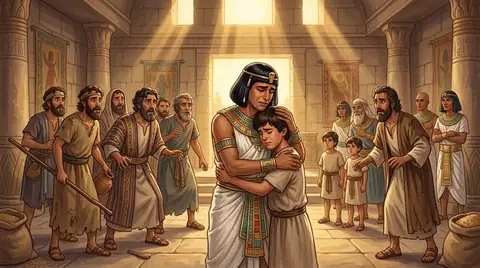 PersonJosephJacob's favourite son, sold by his brothers into Egypt, where he rose from prison to rule the land and saved his family…
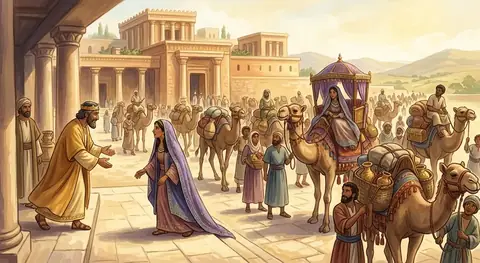 PlaceShebaA rich trading kingdom in south Arabia, famous for gold, spices and incense. Its queen travelled to Jerusalem to test…
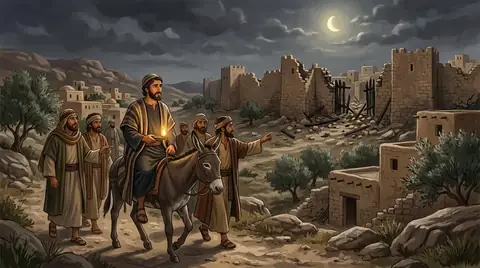 PersonNehemiahThe king of Persia's cupbearer who got leave to go to Jerusalem and rebuilt its broken walls in fifty-two days, despite…
 PersonArtaxerxesThe Persian king who sent Ezra to Jerusalem with the law in his seventh year and let his cupbearer Nehemiah go and…
 PlaceJerusalemThe city David made his capital and where Solomon built the temple. Jesus died and rose there and the church began…
Written for this app in its own words, from the Bible, with the facts checked against Bible dictionaries and encyclopedias: Easton's, Smith's, Fausset's, ISBE, Holman, the New Bible Dictionary, Vine's and the Thompson Chain topics.
