
Teaching
Conviction
Being brought to see and feel our own sin before God. Isaiah cried "Woe is me", Peter fell at Jesus' knees, and the crowd at Pentecost were "pricked in their heart": the work of the Holy Spirit leading to repentance.
What it is
Conviction is more than knowing we have done wrong; it is the heart's sense of guilt before a holy God. Adam and Eve hid among the trees (Genesis 3:8–10). Joseph's brothers, years after selling him, said, "We are verily guilty concerning our brother" (Genesis 42:21). David confessed, "my sin is ever before me" (Psalms 51:3). When Isaiah saw the Lord he cried, "Woe is me! for I am undone" (Isaiah 6:5), and Peter, after the great catch of fish, said, "Depart from me; for I am a sinful man, O Lord" (Luke 5:8).
False and true
Some sorrow goes no further than fear of punishment: Pharaoh said "I have sinned" again and again and hardened his heart each time (Exodus 9:27; Exodus 10:16–20). True conviction leads to turning. At Pentecost the people "were pricked in their heart" and asked, "what shall we do?" and Peter told them to repent (Acts 2:37–38).
For us
Jesus said the Holy Spirit would "reprove the world of sin, and of righteousness, and of judgment" (John 16:8). To feel our sin is a mercy, for it sends us to the Saviour.
Key verses
- Isaiah 6:5
Then said I, Woe is me! for I am undone; because I am a man of unclean lips, and I dwell in the midst of a people of unclean lips: for mine eyes have seen the King, the Lord of hosts.
- Luke 5:8
When Simon Peter saw it, he fell down at Jesus’ knees, saying, Depart from me; for I am a sinful man, O Lord.
- Acts 2:37–38
Now when they heard this, they were pricked in their heart, and said unto Peter and to the rest of the apostles, Men and brethren, what shall we do? Then Peter said unto them, Repent, and be baptized every one of you in the name of Jesus Christ for the remission of sins, and ye shall receive the gift of the Holy Ghost.
- John 16:8
And when he is come, he will reprove the world of sin, and of righteousness, and of judgment:
- Psalms 51:3
For I acknowledge my transgressions: and my sin is ever before me.
Read next
 PersonAdamThe first man, made by God from the dust and given life by his breath. His disobedience in Eden brought sin and death…
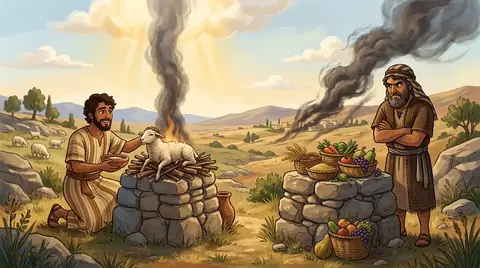 PersonEveThe first woman, made by God from Adam's side to be his wife and partner. Deceived by the serpent, she ate the…
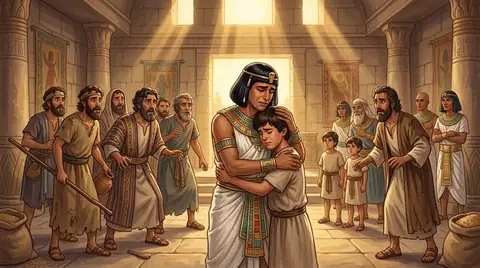 PersonJosephJacob's favourite son, sold by his brothers into Egypt, where he rose from prison to rule the land and saved his family…
 Person · KingDavidThe shepherd boy who killed Goliath and became Israel's greatest king, "a man after God's own heart". He wrote many…
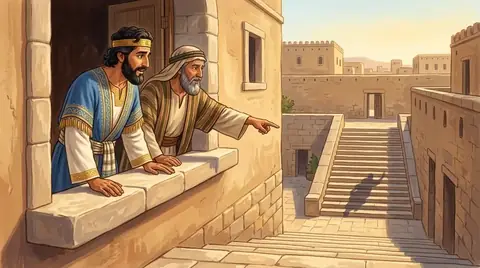 Person · ProphetIsaiahThe prophet of Jerusalem who served four kings, saw the LORD on his throne, and foretold the virgin's son, the…
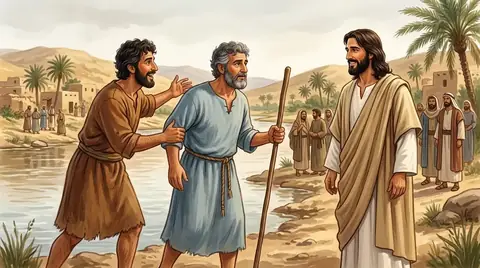 PersonPeterA Galilean fisherman who became the leader of the twelve apostles. Bold and impulsive, he confessed Jesus as the…
Written for this app in its own words, from the Bible, with the facts checked against Bible dictionaries and encyclopedias: Easton's, Smith's, Fausset's, ISBE, Holman, the New Bible Dictionary, Vine's and the Thompson Chain topics.
