
Metal
Brass
In the Bible, really copper or bronze
The KJV's word for copper and bronze, the hard, bright metal of the altar, the temple furniture, armour, chains and coins. Also a picture of strength and of a stubborn heart.
- Used for
- The altar and basin of the tabernacle, the temple pillars and Sea, armour, shackles, cymbals, mirrors, coins
- Workers
- Tubal-cain (Genesis 4:22); Hiram of Tyre (1 Kings 7:14)
- Stands for
- Strength and hardness (Deuteronomy 33:25); stubborn sin (Isaiah 48:4)
What it was
Brass as we know it, a mix of copper and zinc, was not made in Bible times. When the KJV says "brass" it means copper, or bronze (copper hardened with tin). Canaan was a land "out of whose hills thou mayest dig brass" (Deuteronomy 8:9), and David took a great deal of it from the Syrian towns he conquered (2 Samuel 8:8).
How it was used
It was the metal of hard wear. The altar of burnt offering and the big washing basin at the tabernacle were made of it, the basin from the mirrors the women gave (Exodus 38:8). Solomon's temple had two bronze pillars and the huge bronze Sea on twelve bronze oxen, so much metal that it was never weighed (1 Kings 7:47). Goliath wore a bronze helmet and coat of mail (1 Samuel 17:5–6). Prisoners like Samson and King Zedekiah were bound in bronze shackles (Judges 16:21; 2 Kings 25:7). The temple singers clashed bronze cymbals (1 Chronicles 15:19), and the small coins of Jesus' day were bronze (Mark 12:41).
What it stood for
Because it is hard, bronze stands for strength: God breaks "the gates of brass" (Psalms 107:16), and he made Jeremiah like a bronze wall against his enemies (Jeremiah 1:18). But it also pictures a hard heart: Israel's neck was "an iron sinew", its brow bronze (Isaiah 48:4). In Nebuchadnezzar's dream the belly and thighs of bronze stood for a third kingdom (Daniel 2:32, 39), and the risen Christ's feet shone "like unto fine brass" burning in a furnace (Revelation 1:15).
The best known bronze object is the bronze serpent Moses lifted up in the wilderness, which Jesus took as a picture of his cross (Numbers 21:9; John 3:14).
Key verses
- Deuteronomy 8:9
A land wherein thou shalt eat bread without scarceness, thou shalt not lack any thing in it; a land whose stones are iron, and out of whose hills thou mayest dig brass.
- 1 Kings 7:47
And Solomon left all the vessels unweighed, because they were exceeding many: neither was the weight of the brass found out.
- Isaiah 48:4
Because I knew that thou art obstinate, and thy neck is an iron sinew, and thy brow brass;
- Daniel 2:39
And after thee shall arise another kingdom inferior to thee, and another third kingdom of brass, which shall bear rule over all the earth.
- Revelation 1:15
And his feet like unto fine brass, as if they burned in a furnace; and his voice as the sound of many waters.
Read next
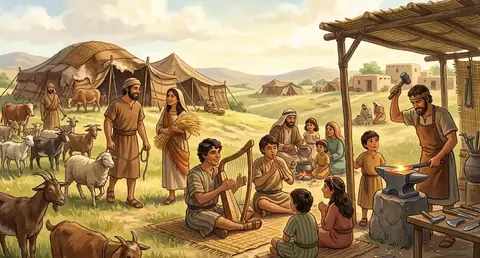 PersonTubal-cainA son of Lamech and Zillah, of the family of Cain, who worked bronze and iron. He is the first metalworker named in the…
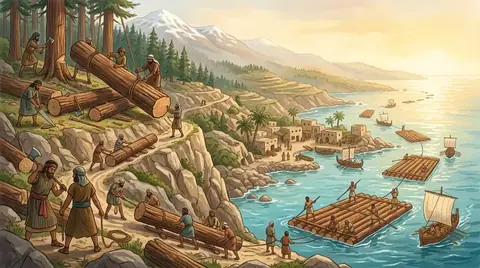 Person · KingHiramThe king of Tyre who was a friend to David and Solomon, sending cedar from Lebanon and skilled workmen for David's…
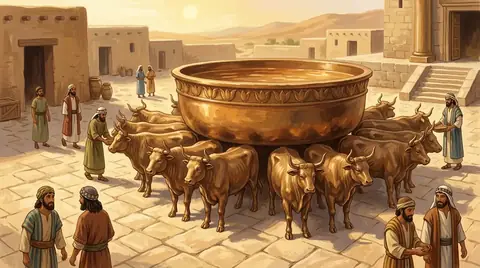 Thing · WorshipThe bronze SeaThe huge round bronze basin in the court of Solomon's temple, resting on the backs of twelve bronze oxen. It held the…
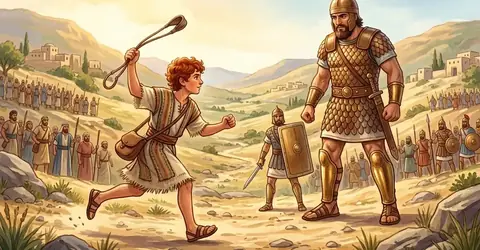 PersonGoliathThe giant champion of the Philistines from Gath, over nine feet tall, who taunted Israel's army for forty days until…
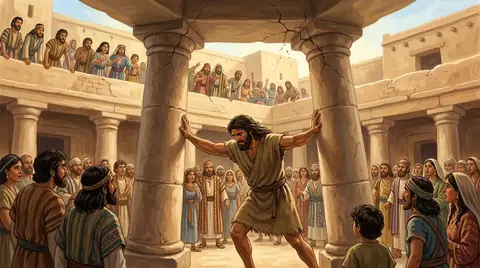 Person · JudgeSamsonThe judge of Israel with superhuman strength from God, a Nazirite from birth. He fought the Philistines single-handed…
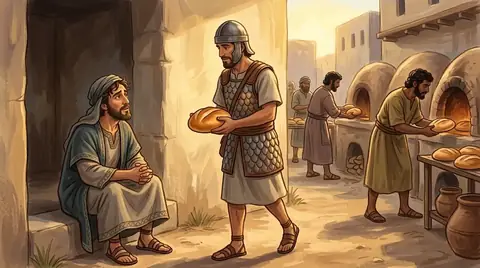 PersonZedekiahThe last king of Judah, put on the throne by Nebuchadnezzar and then rebelling against him. He would not heed Jeremiah…
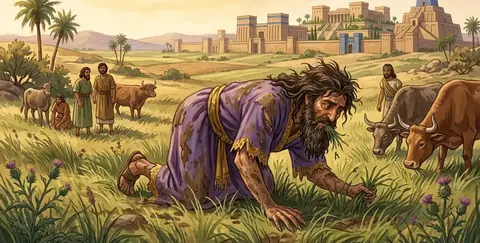 Person · KingNebuchadnezzarThe great king of Babylon who destroyed Jerusalem and its temple and carried Judah into exile. In Daniel he dreams of a…
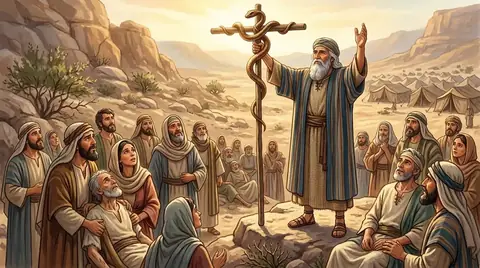 SymbolThe bronze serpentWhen poisonous snakes were killing the Israelites in the desert, God had Moses lift a bronze snake up on a pole: all…
Written for this app in its own words, from the Bible, with the facts checked against Bible dictionaries and encyclopedias: Easton's, Smith's, Fausset's, ISBE, Holman, the New Bible Dictionary, Vine's and the Thompson Chain topics.
