
Topic
Blushing
Reddening of the face with shame. Ezra was too ashamed to lift his face to God for the people's sins; Jeremiah grieved that Judah had sinned so long it could no longer blush.
- Where
- Ezra 9:6; Jeremiah 3:3; Jeremiah 6:15; Jeremiah 8:12
- Compare
- Shame
In the Bible
When Ezra learned that the returned exiles had married into the idol-worshipping peoples around them, he tore his clothes, sat stunned till evening, then fell on his knees and prayed: "O my God, I am ashamed and blush to lift up my face to thee" (Ezra 9:3–6). Blushing was a sign that conscience was still alive.
Jeremiah saw the opposite. Of Jerusalem's leaders, who cried "Peace, peace" while doing evil, God asked, "Were they ashamed when they had committed abomination? nay, they were not at all ashamed, neither could they blush" (Jeremiah 6:14–15; Jeremiah 8:12). The people had "a whore's forehead" and refused to be ashamed (Jeremiah 3:3).
For us
A heart that can no longer feel shame for sin is in danger. Shame that leads us to God, as Ezra's did, leads to mercy.
Key verses
- Ezra 9:6
And said, O my God, I am ashamed and blush to lift up my face to thee, my God: for our iniquities are increased over our head, and our trespass is grown up unto the heavens.
- Jeremiah 6:15
Were they ashamed when they had committed abomination? nay, they were not at all ashamed, neither could they blush: therefore they shall fall among them that fall: at the time that I visit them they shall be cast down, saith the Lord.
- Jeremiah 3:3
Therefore the showers have been withholden, and there hath been no latter rain; and thou hadst a whore’s forehead, thou refusedst to be ashamed.
Read next
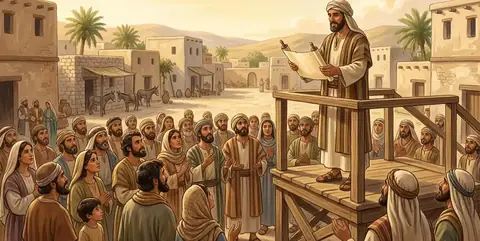 PersonEzraA priest and scribe who led a second group of exiles back from Babylon, taught the people God's law and read it to them…
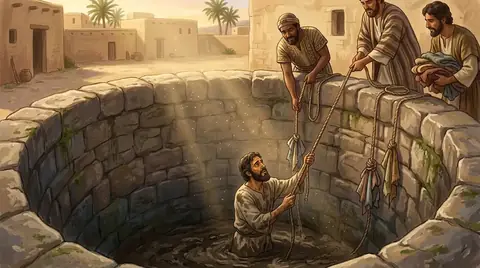 PersonJeremiahThe prophet who warned Judah for forty years that Babylon was coming, and wept as it came. He was beaten, put in the…
Written for this app in its own words, from the Bible, with the facts checked against Bible dictionaries and encyclopedias: Easton's, Smith's, Fausset's, ISBE, Holman, the New Bible Dictionary, Vine's and the Thompson Chain topics.
