
Nature
Blasting
Blight: crops scorched and withered by the hot east wind. The law named it among the judgements for disobedience, Solomon prayed about it at the temple, and the prophets said God sent it to call his people back.
- Blight
- 1 Kings 8:37; Deuteronomy 28:22; Amos 4:9; Haggai 2:17
- God's breath
- Exodus 15:8; Job 4:9; 2 Samuel 22:16
- Compare
- Mildew, East wind
What it was
In Israel the hot, dry wind from the desert could scorch the grain in a few days, leaving thin, empty ears like those in Pharaoh's dream, "blasted with the east wind" (Genesis 41:6). The Bible usually pairs blasting with mildew, the yellowing of grain struck by disease.
As a judgement
Moses warned that if Israel turned from God he would strike them "with blasting, and with mildew" (Deuteronomy 28:22). Solomon asked God at the temple's dedication that whenever blasting or any plague came and the people prayed towards that house, he would hear and forgive (1 Kings 8:37–39). Later the prophets saw these failures as God's call: "I have smitten you with blasting and mildew ... yet have ye not returned unto me" (Amos 4:9; Haggai 2:17).
The blast of God
The same idea is used of God's breath. With "the blast of thy nostrils" the waters of the Red Sea piled up (Exodus 15:8), and the wicked perish "by the blast of God" (Job 4:9). God told Hezekiah he would send "a blast", a spirit, on Sennacherib so that he went home (2 Kings 19:7).
Key verses
- Deuteronomy 28:22
The Lord shall smite thee with a consumption, and with a fever, and with an inflammation, and with an extreme burning, and with the sword, and with blasting, and with mildew; and they shall pursue thee until thou perish.
- 1 Kings 8:37
If there be in the land famine, if there be pestilence, blasting, mildew, locust, or if there be caterpiller; if their enemy besiege them in the land of their cities; whatsoever plague, whatsoever sickness there be;
- Amos 4:9
I have smitten you with blasting and mildew: when your gardens and your vineyards and your fig trees and your olive trees increased, the palmerworm devoured them: yet have ye not returned unto me, saith the Lord.
- Exodus 15:8
And with the blast of thy nostrils the waters were gathered together, the floods stood upright as an heap, and the depths were congealed in the heart of the sea.
Read next
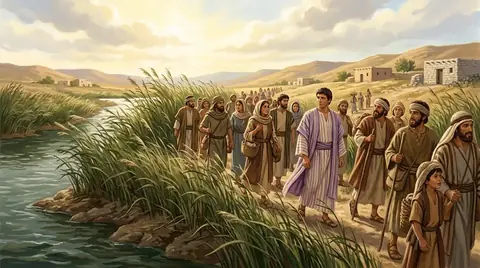 NatureWindThe winds of the land each had their character: the dry east wind that withered crops, the west wind that brought rain…
 Person · KingSolomonDavid's son and Israel's third king, who asked God for wisdom and received riches and fame as well. He built the temple…
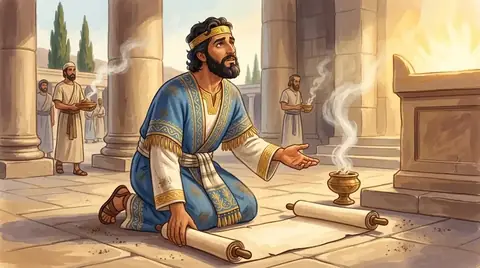 Person · KingHezekiahOne of Judah's best kings. He cleansed the temple, smashed the idols, trusted God when Assyria besieged Jerusalem, and…
Written for this app in its own words, from the Bible, with the facts checked against Bible dictionaries and encyclopedias: Easton's, Smith's, Fausset's, ISBE, Holman, the New Bible Dictionary, Vine's and the Thompson Chain topics.
