
Teaching · Sin
Bigotry
Narrow, proud contempt for people outside one's own group or way. The Bible shows it in the "holier than thou", in Jews and Samaritans who would not mix, and even in Jesus' disciples, and shows God tearing such walls down.
- Warned against
- Isaiah 65:5; Luke 18:9–14
- Disciples rebuked
- Numbers 11:27–29; Luke 9:49–50; Luke 9:52–56
- Overcome
- Acts 10:28; Galatians 3:28; Ephesians 2:14
What the Bible says
God says through Isaiah that the people who say, "Stand by thyself, come not near to me; for I am holier than thou," are like smoke in his nose (Isaiah 65:5). Jesus told of a Pharisee who thanked God he was "not as other men are", and said the despised tax collector went home justified instead (Luke 18:9–14). The Pharisees grumbled that Jesus ate with sinners (Luke 15:2), and "the Jews have no dealings with the Samaritans" (John 4:9).
Among God's people
Bigotry was found among the faithful too. Joshua wanted Moses to stop two men prophesying in the camp; Moses answered, "would God that all the LORD's people were prophets" (Numbers 11:28–29). John forbade a man casting out demons in Jesus' name because he did not follow with them, and Jesus said, "Forbid him not" (Luke 9:49–50). When a Samaritan village would not receive Jesus, James and John wanted to call down fire, and he rebuked them (Luke 9:54–55). The early church had to learn that God accepts Gentiles too (Acts 10:28; Acts 15:1–11).
For us
In Christ "there is neither Jew nor Greek ... for ye are all one" (Galatians 3:28). He has broken down the dividing wall (Ephesians 2:14).
Key verses
- Isaiah 65:5
Which say, Stand by thyself, come not near to me; for I am holier than thou. These are a smoke in my nose, a fire that burneth all the day.
- Luke 9:49–50
And John answered and said, Master, we saw one casting out devils in thy name; and we forbad him, because he followeth not with us. And Jesus said unto him, Forbid him not: for he that is not against us is for us.
- Luke 18:11
The Pharisee stood and prayed thus with himself, God, I thank thee, that I am not as other men are, extortioners, unjust, adulterers, or even as this publican.
- Acts 10:28
And he said unto them, Ye know how that it is an unlawful thing for a man that is a Jew to keep company, or come unto one of another nation; but God hath shewed me that I should not call any man common or unclean.
- Galatians 3:28
There is neither Jew nor Greek, there is neither bond nor free, there is neither male nor female: for ye are all one in Christ Jesus.
Read next
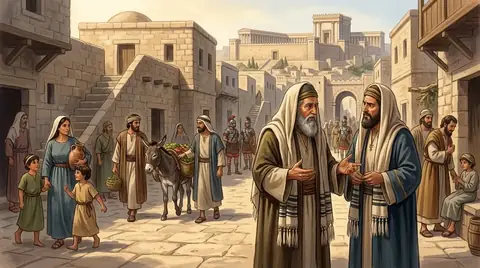 GroupPhariseesThe most exacting of the Jewish religious parties in Jesus' day, devoted to keeping the Law and the traditions added to…
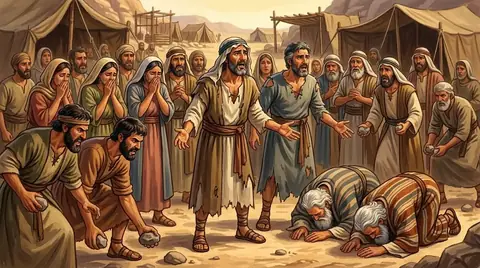 PersonJoshuaMoses' helper who took over from him and led Israel across the Jordan into the Promised Land. He fought the wars of…
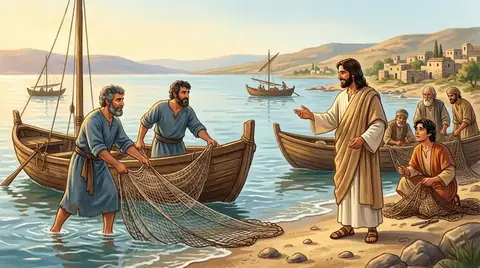 PersonJohnThe fisherman who became "the disciple whom Jesus loved". Youngest of the twelve, he stood at the cross, ran to the…
Written for this app in its own words, from the Bible, with the facts checked against Bible dictionaries and encyclopedias: Easton's, Smith's, Fausset's, ISBE, Holman, the New Bible Dictionary, Vine's and the Thompson Chain topics.
