
Place · Town
Beth-ezel
beth-EE-zelOld Testament · about 730 BC · in Micah's lament · the site isn't certain
A town of Judah named in Micah's lament over the towns that would suffer when the Assyrians invaded. The prophet plays on its name, which may mean "house of nearness".
- Where
- Probably the low hills of Judah, south-west of Jerusalem
- Meaning
- Perhaps "house beside", or nearness
- Today
- Perhaps Deir el-Asal, about 10 miles (17 km) south-west of Hebron
Micah mourned in advance over a string of towns in Judah, using the sound of each name to make his point. "The inhabitant of Zaanan came not forth in the mourning of Beth-ezel; he shall receive of you his standing" (Micah 1:11). The sense seems to be that Beth-ezel, the "house beside", would be busy with its own grief and could give its neighbours no place to stand. The towns named with it, Shaphir, Zaanan and Maroth, lay in the same part of the country, in the path of the invading army.
Key verses
- Micah 1:10–12
Declare ye it not at Gath, weep ye not at all: in the house of Aphrah roll thyself in the dust. Pass ye away, thou inhabitant of Saphir, having thy shame naked: the inhabitant of Zaanan came not forth in the mourning of Beth–ezel; he shall receive of you his standing. For the inhabitant of Maroth waited carefully for good: but evil came down from the Lord unto the gate of Jerusalem.
On the map
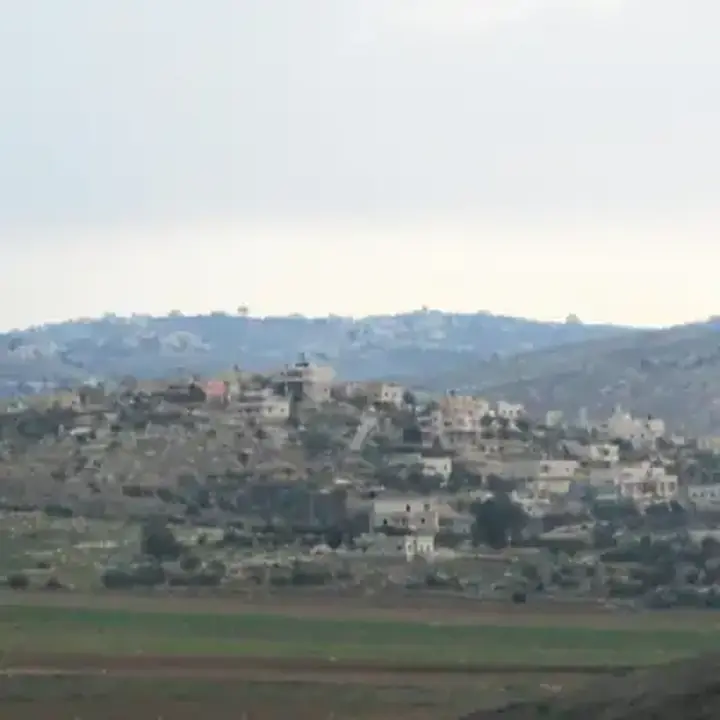
Mentioned in 1 verse
- Micah 1
Read next
 PersonJudahJacob's fourth son, who became leader among his brothers and the father of Israel's royal tribe. David, the kings of…PersonMicahA prophet of Judah in the days of Isaiah, from the country town of Moresheth, who denounced injustice and foretold that…Place · TownShaphirA town of Judah named by the prophet Micah in his lament over the coming invasion. Its name means beautiful, but its…Place · TownZaananA town of Judah's lowland named in Micah's lament over the towns that would fall to the invader. Its name sounds like…Place · TownMarothA town of Judah in Micah's lament over the coming invasion. Its people hoped for good news, but trouble sent by the…
Written for this app in its own words, from the Bible, with the facts checked against Bible dictionaries and encyclopedias: Easton's, Smith's, Fausset's, ISBE, Holman, the New Bible Dictionary, Vine's and the Thompson Chain topics. People and places: STEPBible.org (TIPNR), CC BY 4.0; where a place is today and its photo: OpenBible.info, CC BY 4.0.
