
Custom
Beard
For a Hebrew man the beard was a mark of dignity, oiled and trimmed with care. To shave or pluck it was a sign of grief, and to cut off another man's beard a deep insult.
- The law
- The corners of the beard were not to be shaved off, a pagan practice (Leviticus 19:27)
- In mourning
- Shaved, plucked or left untrimmed
The custom
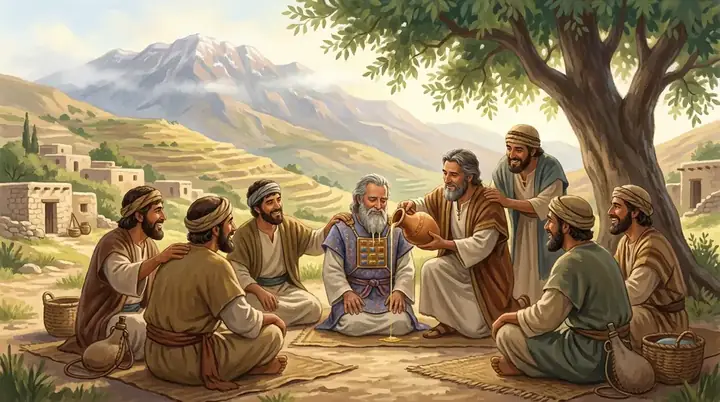
Israelite men wore full beards and were proud of them. On feast days a man anointed his beard with scented oil; Psalm 133 pictures the oil running down Aaron's beard as a picture of brotherly unity (Psalms 133:2). The law forbade cutting the edges of the beard, as the pagans round about did in honour of their gods (Leviticus 19:27; 21:5). The Egyptians, by contrast, shaved, so Joseph shaved before going in to Pharaoh (Genesis 41:14).
Grief and shame
When a man mourned, he neglected or plucked his beard. Mephibosheth let his go untrimmed all the time David was away in exile (2 Samuel 19:24), and Ezra tore hair from his head and beard in horror at the people's sin (Ezra 9:3). To have the beard cut off by someone else was the worst of insults. When King Hanun of Ammon shaved off half the beards of David's envoys, the men were so ashamed that David told them to stay at Jericho until their beards grew back, and the affront led to war (2 Samuel 10:4–6). Isaiah's servant of the LORD gave his cheeks "to them that plucked off the hair" (Isaiah 50:6), a suffering that Christ bore for us.
Key verses
- Leviticus 19:27
Ye shall not round the corners of your heads, neither shalt thou mar the corners of thy beard.
- Psalms 133:2
It is like the precious ointment upon the head, that ran down upon the beard, even Aaron’s beard: that went down to the skirts of his garments;
- 2 Samuel 10:4–5
Wherefore Hanun took David’s servants, and shaved off the one half of their beards, and cut off their garments in the middle, even to their buttocks, and sent them away. When they told it unto David, he sent to meet them, because the men were greatly ashamed: and the king said, Tarry at Jericho until your beards be grown, and then return.
- Isaiah 50:6
I gave my back to the smiters, and my cheeks to them that plucked off the hair: I hid not my face from shame and spitting.
Read next
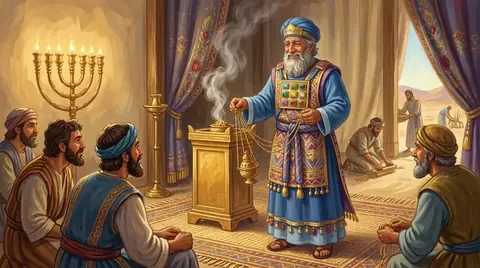 PersonAaronMoses' older brother and Israel's first high priest. He spoke for Moses before Pharaoh and served God at the tabernacle…
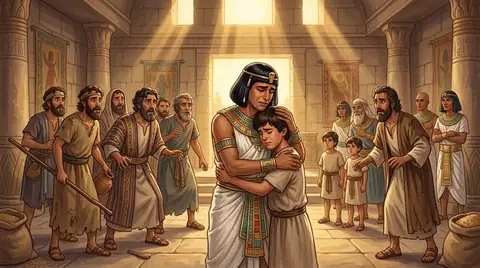 PersonJosephJacob's favourite son, sold by his brothers into Egypt, where he rose from prison to rule the land and saved his family…
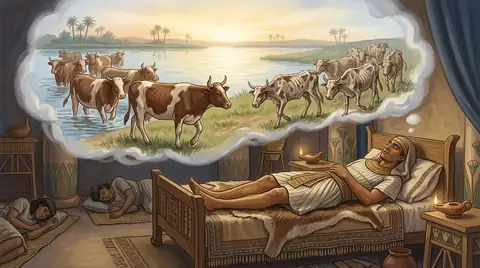 Title · RulerPharaohNot a personal name but the title borne by every king of Egypt, like "Caesar". The Bible names several, the best known…
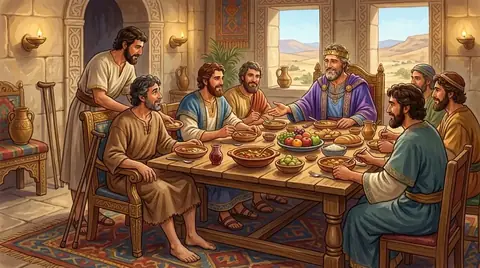 PersonMephiboshethJonathan's son, lame in both feet since a childhood fall, whom David sought out for his father's sake, gave back his…
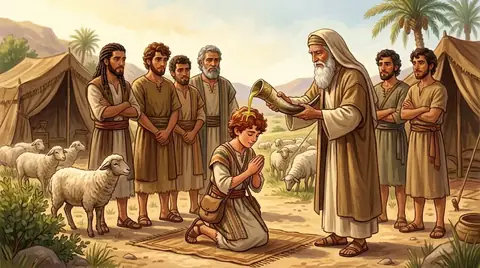 Person · KingDavidThe shepherd boy who killed Goliath and became Israel's greatest king, "a man after God's own heart". He wrote many…
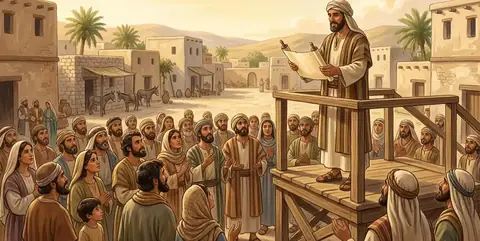 PersonEzraA priest and scribe who led a second group of exiles back from Babylon, taught the people God's law and read it to them…
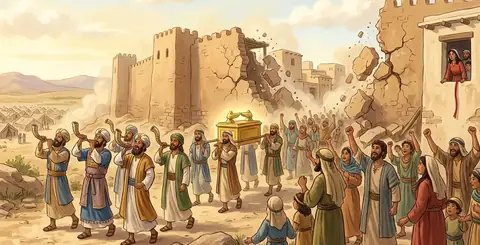 PlaceJerichoThe walled city in the Jordan valley whose walls fell flat when Israel marched round it. Called the city of palm trees…
Written for this app in its own words, from the Bible, with the facts checked against Bible dictionaries and encyclopedias: Easton's, Smith's, Fausset's, ISBE, Holman, the New Bible Dictionary, Vine's and the Thompson Chain topics.
