
Group
Archevite
AR-ke-viteOld Testament · Samaria after the exile · "the men of Erech"
People from the city of Erech in Babylonia, settled in Samaria by the Assyrians. They joined in the letter to King Artaxerxes that stopped the rebuilding of Jerusalem.
- From
- Erech, in Babylonia
- Lived in
- The cities of Samaria
- Known for
- Writing against the Jews (Ezra 4:9)
After the northern kingdom fell, the kings of Assyria moved people from many conquered lands into the cities of Samaria. Among them were the Archevites, men whose families had come from Erech, one of the oldest cities of Babylonia (Genesis 10:10).
Generations later, when the Jews back from exile were rebuilding Jerusalem, these settlers saw them as a threat. Rehum the chancellor and Shimshai the scribe wrote to King Artaxerxes in the name of a long list of peoples, "the Archevites, the Babylonians" and others, warning him that Jerusalem was a rebellious city (Ezra 4:9–16). The king ordered the work stopped (Ezra 4:21–24). It was only for a time: God's house was finished in the end.
Key verses
- Ezra 4:9–10
Then wrote Rehum the chancellor, and Shimshai the scribe, and the rest of their companions; the Dinaites, the Apharsathchites, the Tarpelites, the Apharsites, the Archevites, the Babylonians, the Susanchites, the Dehavites, and the Elamites, And the rest of the nations whom the great and noble Asnappar brought over, and set in the cities of Samaria, and the rest that are on this side the river, and at such a time.
- Ezra 4:21–24
Give ye now commandment to cause these men to cease, and that this city be not builded, until another commandment shall be given from me. Take heed now that ye fail not to do this: why should damage grow to the hurt of the kings? Now when the copy of king Artaxerxes’ letter was read before Rehum, and Shimshai the scribe, and their companions, they went up in haste to Jerusalem unto the Jews, and made them to cease by force and power. …
Read next
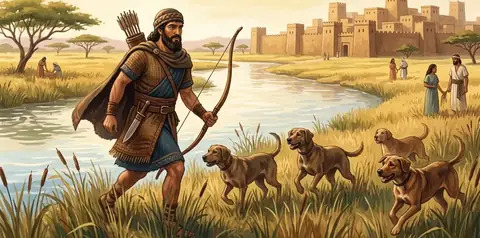 Place · CityErechOne of the first great cities of Babylonia, where Nimrod first ruled. Men from Erech, settled in Samaria, later wrote…
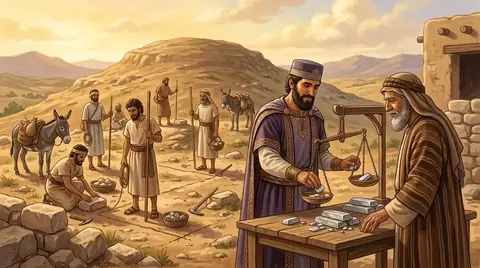 Place · City and regionSamariaThe hill city Omri built as capital of the northern kingdom of Israel. It saw Ahab and Jezebel, Elijah and Elisha…
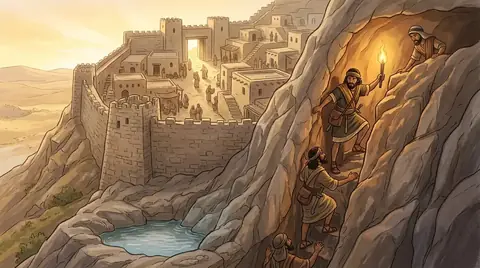 PlaceJerusalemThe city David made his capital and where Solomon built the temple. Jesus died and rose there and the church began…PersonRehumThe name of several men after the return from Babylon. The best known was a Persian officer who, with the scribe…PersonShimshaiA scribe in the Persian province west of the Euphrates. With the officer Rehum he wrote to King Artaxerxes against the…
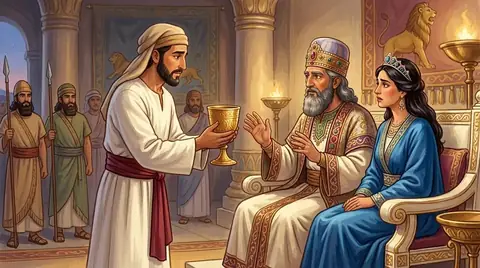 PersonArtaxerxesThe Persian king who sent Ezra to Jerusalem with the law in his seventh year and let his cupbearer Nehemiah go and…
Written for this app in its own words, from the Bible, with the facts checked against Bible dictionaries and encyclopedias: Easton's, Smith's, Fausset's, ISBE, Holman, the New Bible Dictionary, Vine's and the Thompson Chain topics.
