
Thing · Dress
Apron
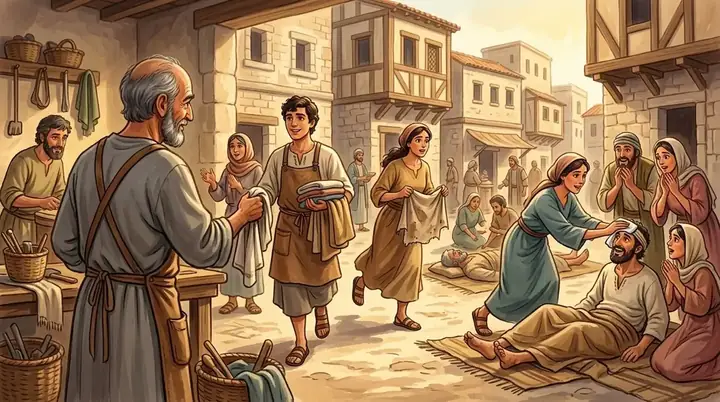
A covering tied round the waist. Adam and Eve sewed fig leaves into aprons when they knew they were naked; in Ephesus, aprons and cloths that had touched Paul were carried to the sick, and they were healed.
- Where
- Genesis 3:7; Acts 19:12
In Eden
The first aprons were made in shame. As soon as Adam and Eve had eaten the forbidden fruit, "the eyes of them both were opened, and they knew that they were naked; and they sewed fig leaves together, and made themselves aprons" (Genesis 3:7). Their own covering was not enough; God later clothed them in coats of skins (Genesis 3:21).
In Ephesus
In the New Testament the word means a worker's apron or waistcloth, the kind Paul may have worn at his trade of tentmaking. In Ephesus God did unusual miracles through Paul, so that handkerchiefs or aprons that had touched him were taken to the sick, and their diseases left them and evil spirits went out (Acts 19:11–12). The power was God's, not the cloth's.
Key verses
- Genesis 3:7
And the eyes of them both were opened, and they knew that they were naked; and they sewed fig leaves together, and made themselves aprons.
- Genesis 3:21
Unto Adam also and to his wife did the Lord God make coats of skins, and clothed them.
- Acts 19:11–12
And God wrought special miracles by the hands of Paul: So that from his body were brought unto the sick handkerchiefs or aprons, and the diseases departed from them, and the evil spirits went out of them.
Read next
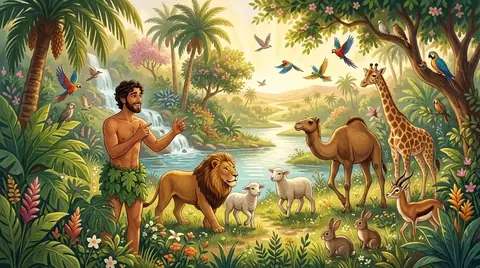 PersonAdamThe first man, made by God from the dust and given life by his breath. His disobedience in Eden brought sin and death…
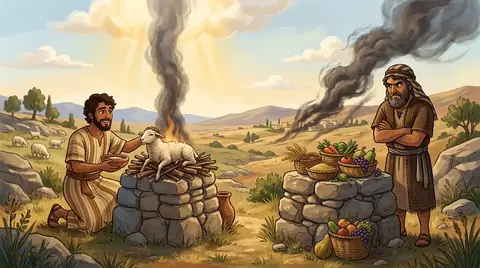 PersonEveThe first woman, made by God from Adam's side to be his wife and partner. Deceived by the serpent, she ate the…
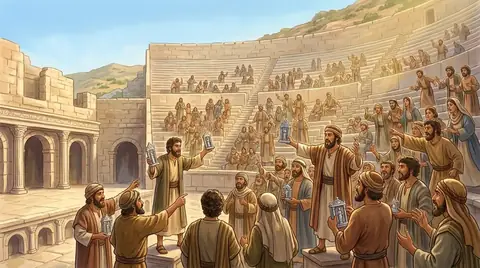 Place · CityEphesusThe great port and temple city of western Asia Minor where Paul preached for three years, a riot broke out over the…
Written for this app in its own words, from the Bible, with the facts checked against Bible dictionaries and encyclopedias: Easton's, Smith's, Fausset's, ISBE, Holman, the New Bible Dictionary, Vine's and the Thompson Chain topics.
