
Plant
Anise
probably dill
A garden herb named once in the Bible. Jesus said the Pharisees carefully gave a tenth of their anise while forgetting justice, mercy and faith.
- Where
- Matthew 23:23 only
- Used for
- Seeds and leaves as a flavouring and a remedy for stomach pains
The plant Jesus names in Matthew 23:23 is almost certainly dill rather than true anise: a feathery garden herb related to caraway, whose sharp-tasting seeds and leaves were put in food and taken to settle the stomach. It grew in the kitchen gardens of Palestine, and Jewish teaching required that its seeds, leaves and stems all be tithed.
That is the point of Jesus' words. The Pharisees counted out a tenth of their mint, anise and cummin, tiny seeds of little worth, and in doing so felt they had kept the law. Meanwhile they had passed over "the weightier matters": justice, mercy and faith. Jesus did not tell them to stop tithing their herbs. He told them that the small duties were no excuse for neglecting the great ones.
Key verses
- Matthew 23:23
Woe unto you, scribes and Pharisees, hypocrites! for ye pay tithe of mint and anise and cummin, and have omitted the weightier matters of the law, judgment, mercy, and faith: these ought ye to have done, and not to leave the other undone.
- Luke 11:42
But woe unto you, Pharisees! for ye tithe mint and rue and all manner of herbs, and pass over judgment and the love of God: these ought ye to have done, and not to leave the other undone.
Read next
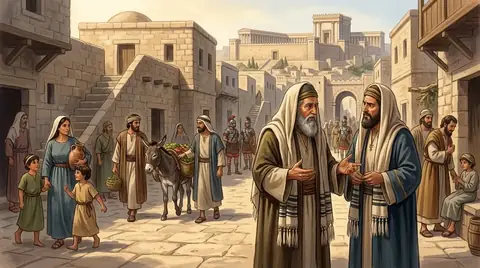 GroupPhariseesThe most exacting of the Jewish religious parties in Jesus' day, devoted to keeping the Law and the traditions added to…Plant · HerbMintA sweet-smelling garden herb used for flavouring. The Pharisees carefully gave God a tenth even of their mint while…
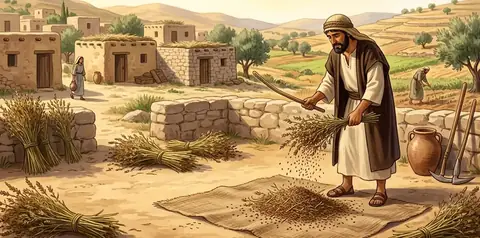 Plant · SpiceCumminA small, strong-smelling seed used to flavour bread and stews, grown as a field crop in Israel. Jesus named it when he…
Written for this app in its own words, from the Bible, with the facts checked against Bible dictionaries and encyclopedias: Easton's, Smith's, Fausset's, ISBE, Holman, the New Bible Dictionary, Vine's and the Thompson Chain topics.
