
Teaching · Law
Witness
Hebrew ed · Greek martys, which gave us "martyr"
Someone who tells what they have seen. Israel's courts needed two or three; the apostles were witnesses of the risen Christ; and Jesus himself is "the faithful witness".
- Where
- Deuteronomy 17:6; Deuteronomy 19:15–21; Proverbs 14:5; Isaiah 43:10; Luke 24:48; Acts 1:8; Revelation 1:5
- Rule
- No one condemned on one witness alone (Deuteronomy 19:15)
- Also
- A heap of stones or a single stone could be a "witness" to an agreement (Genesis 31:48; Joshua 24:27)
In the courts
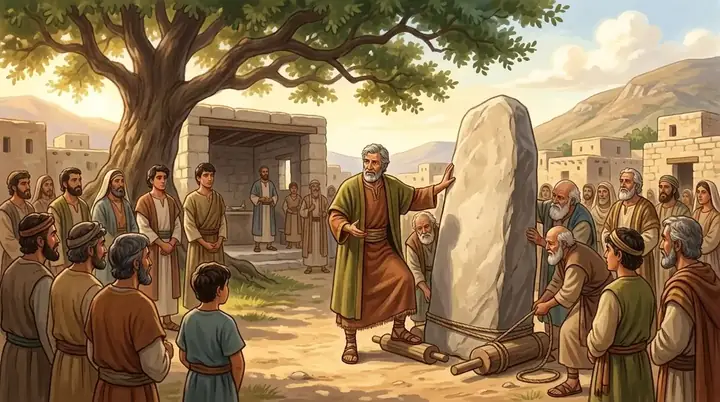
In Israel no one could be put to death on the word of one person; "at the mouth of two witnesses, or three" a matter was settled (Deuteronomy 17:6; Deuteronomy 19:15). The witnesses then had to throw the first stones (Deuteronomy 17:7), so a false accuser would have blood on his own hands. A false witness was to suffer whatever he had tried to bring on the accused (Deuteronomy 19:16–21). Knowing something and keeping quiet was itself a sin (Leviticus 5:1). Witnesses were also called to confirm deals: Boaz bought Ruth's field before ten elders (Ruth 4:9–11), and Jeremiah's deed for a field was signed and witnessed (Jeremiah 32:10–12). Jacob and Laban raised a heap of stones as a witness between them (Genesis 31:48), and Joshua set up a stone to witness Israel's promise (Joshua 24:27).
Witness abused
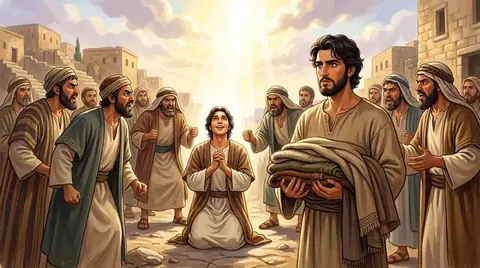
The ninth commandment forbids false witness (Exodus 20:16). It was broken to kill Naboth (1 Kings 21:13), Stephen (Acts 6:13), and Jesus himself, whose accusers could not even agree with each other (Mark 14:56). Jesus kept the two-witness rule for settling quarrels in the church (Matthew 18:16), and Paul applied it to charges against an elder (1 Timothy 5:19).
Witnesses to Christ
God called Israel his witnesses to the nations (Isaiah 43:10). Jesus told his disciples, "ye are witnesses of these things" (Luke 24:48), and after the Spirit came they would be his witnesses to the ends of the earth (Acts 1:8). The qualification for an apostle was to have seen the risen Lord (Acts 1:22). The Greek word for witness is the word that became "martyr", because so many paid for their witness with their lives (Revelation 2:13). Jesus is "the faithful witness" (Revelation 1:5), who told the truth about God all the way to the cross.
Key verses
- Deuteronomy 19:15
One witness shall not rise up against a man for any iniquity, or for any sin, in any sin that he sinneth: at the mouth of two witnesses, or at the mouth of three witnesses, shall the matter be established.
- Isaiah 43:10
Ye are my witnesses, saith the Lord, and my servant whom I have chosen: that ye may know and believe me, and understand that I am he: before me there was no God formed, neither shall there be after me.
- Luke 24:48
And ye are witnesses of these things.
- Acts 1:8
But ye shall receive power, after that the Holy Ghost is come upon you: and ye shall be witnesses unto me both in Jerusalem, and in all Judea, and in Samaria, and unto the uttermost part of the earth.
- Revelation 1:5
And from Jesus Christ, who is the faithful witness, and the first begotten of the dead, and the prince of the kings of the earth. Unto him that loved us, and washed us from our sins in his own blood,
Read next
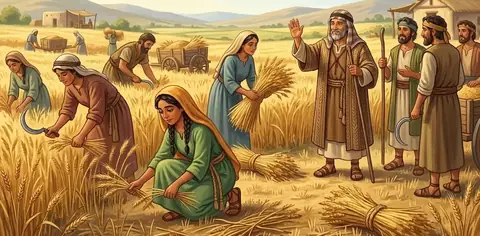 PersonBoazA wealthy farmer of Bethlehem who married Ruth, the Moabite widow, as her kinsman-redeemer. Their great-grandson was…
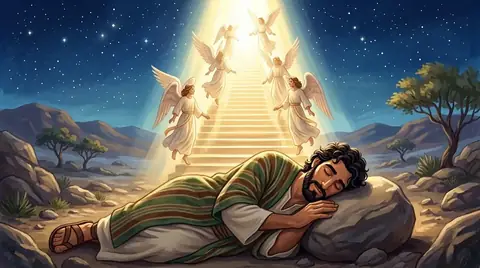 PersonJacobIsaac's younger twin son, who won his brother's birthright and blessing by cunning, was changed by God, and was renamed…
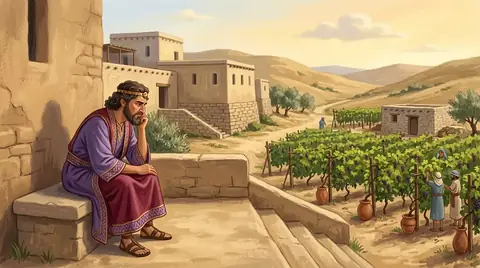 PersonNabothA man of Jezreel whose vineyard lay beside King Ahab's palace. He would not sell his family's land, so Jezebel had him…
 PersonStephenOne of the seven men chosen to care for the widows of the Jerusalem church. Full of faith and the Holy Spirit, he…
Written for this app in its own words, from the Bible, with the facts checked against Bible dictionaries and encyclopedias: Easton's, Smith's, Fausset's, ISBE, Holman, the New Bible Dictionary, Vine's and the Thompson Chain topics.
