
Custom
Treaty
A solemn agreement between nations. Israel was forbidden to make treaties with the idol-worshipping Canaanites, but once sworn, even the treaty the Gibeonites tricked out of Joshua was kept.
- Forbidden
- With the Canaanites (Exodus 34:12)
- Kept
- With the Gibeonites (Joshua 9:15–21)
- Friendly
- Solomon and Hiram of Tyre (1 Kings 5:12)
What it was
Treaties in Bible times were made by oath, often with a sacrifice and a meal, and called on God or the gods as witnesses. They might settle borders, promise help in war or arrange trade.
In the Bible
God warned Israel to make no covenant with the peoples of Canaan, lest their gods became a snare (Exodus 34:12–15). The Gibeonites dressed in worn-out clothes and pretended to come from far away, and Joshua's leaders made peace with them without asking the LORD. When the trick came out, they still kept their oath (Joshua 9:3–21), and generations later Saul's breaking of it brought famine (2 Samuel 21:1–2). Solomon and Hiram made a treaty, timber for food, and Solomon gave him twenty towns in Galilee (1 Kings 5:1–12; 1 Kings 9:10–14). Asa bribed the king of Syria to break his treaty with Israel (1 Kings 15:19), and Ahab let the defeated Ben-hadad go on terms (1 Kings 20:34).
What it meant
God takes promises seriously. The righteous man "sweareth to his own hurt, and changeth not" (Psalms 15:4).
Key verses
- Exodus 34:12
Take heed to thyself, lest thou make a covenant with the inhabitants of the land whither thou goest, lest it be for a snare in the midst of thee:
- Joshua 9:15
And Joshua made peace with them, and made a league with them, to let them live: and the princes of the congregation sware unto them.
- Joshua 9:19
But all the princes said unto all the congregation, We have sworn unto them by the Lord God of Israel: now therefore we may not touch them.
- 1 Kings 5:12
And the Lord gave Solomon wisdom, as he promised him: and there was peace between Hiram and Solomon; and they two made a league together.
- Psalms 15:4
In whose eyes a vile person is contemned; but he honoureth them that fear the Lord. He that sweareth to his own hurt, and changeth not.
Read next
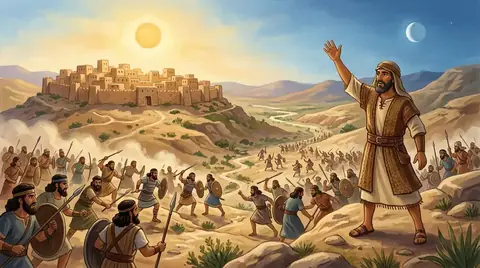 Place · CityGibeonThe Hivite city whose people fooled Joshua into a treaty, and where the sun stood still over the battle that followed.…
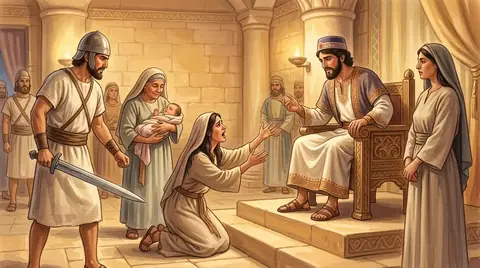 Person · KingSolomonDavid's son and Israel's third king, who asked God for wisdom and received riches and fame as well. He built the temple…
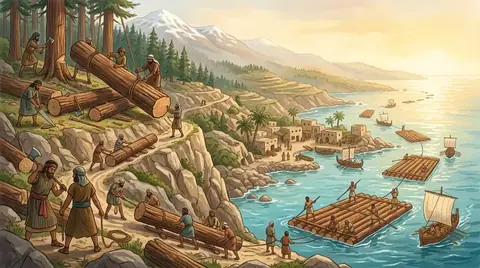 Person · KingHiramThe king of Tyre who was a friend to David and Solomon, sending cedar from Lebanon and skilled workmen for David's…Person · KingAsaThe third king of Judah, who reigned forty-one years. He swept away the idols, won a great victory by prayer, and then…
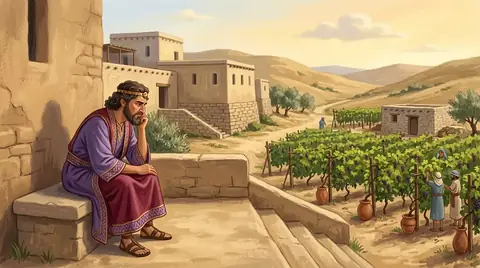 Person · KingAhabThe seventh king of the northern kingdom of Israel, who married Jezebel and led the nation into Baal worship. He…
Written for this app in its own words, from the Bible, with the facts checked against Bible dictionaries and encyclopedias: Easton's, Smith's, Fausset's, ISBE, Holman, the New Bible Dictionary, Vine's and the Thompson Chain topics.
