
Symbol
Teeth
In the Bible teeth stand for strength and cruelty, and "gnashing" or grinding the teeth for rage or anguish. Jesus spoke of weeping and gnashing of teeth for those shut out of the kingdom.
- Gnashing in anger
- Job 16:9; Psalms 35:16; Acts 7:54
- Gnashing in anguish
- Matthew 8:12; Matthew 13:42; Luke 13:28
What they stand for
Teeth are a picture of power to tear and devour. The wicked have teeth like swords (Proverbs 30:14), and God breaks the teeth of the ungodly so they can do no more harm (Psalms 3:7). A lazy messenger is as annoying as vinegar to the teeth (Proverbs 10:26).
Sayings
The law of "tooth for tooth" limited punishment to the harm done, no more (Exodus 21:24; Leviticus 24:20); Jesus told his followers not to seek revenge at all (Matthew 5:38–39). "Cleanness of teeth" meant there was no food to eat, a famine sent to call Israel back (Amos 4:6). The proverb "the fathers have eaten sour grapes, and the children's teeth are set on edge" blamed the parents for the children's troubles, and God answered that each soul answers for its own sin (Ezekiel 18:2–4).
Gnashing of teeth
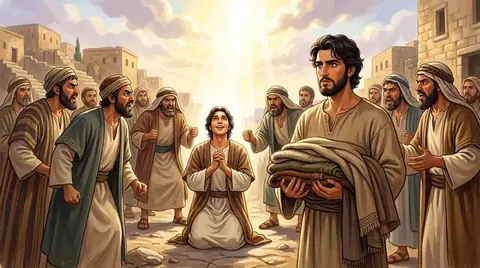
To grind the teeth is to show fury. Job's enemies gnashed on him (Job 16:9), the wicked gnash at the righteous (Psalms 37:12), and the council gnashed their teeth at Stephen before stoning him (Acts 7:54). It is also the sound of bitter anguish. Jesus warned more than once that outside the kingdom "there shall be weeping and gnashing of teeth" (Matthew 8:12; Matthew 13:42; Luke 13:28); see Weeping and gnashing of teeth.
Key verses
- Psalms 3:7
Arise, O Lord; save me, O my God: for thou hast smitten all mine enemies upon the cheek bone; thou hast broken the teeth of the ungodly.
- Psalms 37:12
The wicked plotteth against the just, and gnasheth upon him with his teeth.
- Acts 7:54
When they heard these things, they were cut to the heart, and they gnashed on him with their teeth.
- Matthew 8:12
But the children of the kingdom shall be cast out into outer darkness: there shall be weeping and gnashing of teeth.
- Luke 13:28
There shall be weeping and gnashing of teeth, when ye shall see Abraham, and Isaac, and Jacob, and all the prophets, in the kingdom of God, and you yourselves thrust out.
Read next
Written for this app in its own words, from the Bible, with the facts checked against Bible dictionaries and encyclopedias: Easton's, Smith's, Fausset's, ISBE, Holman, the New Bible Dictionary, Vine's and the Thompson Chain topics.
