
Teaching · Government
Statecraft
The skill of governing a nation. Joseph managed Egypt through famine, Daniel served kings of Babylon and Persia with wisdom, and Proverbs says a land is kept steady by a ruler of understanding; but Jeroboam used statecraft against God.
- Proverb
- "By a man of understanding and knowledge the state thereof shall be prolonged" (Proverbs 28:2)
- Wise
- Joseph (Genesis 47:13–26); Samuel (1 Samuel 11:12–15); Daniel (Daniel 6:1–4)
- Unwise
- Jeroboam (1 Kings 12:26–33)
Wise rulers
Joseph stored grain in the good years and, in the famine, fed Egypt and brought the land under Pharaoh (Genesis 47:13–26). After Saul's first victory Samuel called the people to Gilgal to renew the kingdom, uniting them behind the new king (1 Samuel 11:12–15). Nathan acted quickly with Bathsheba to make sure Solomon, God's choice, came to the throne (1 Kings 1:11–14). Daniel was trained in Babylon's royal school (Daniel 1:3–5) and served so faithfully that his enemies could find no fault in him except his faith (Daniel 6:4–5).
Clever but wrong
Jeroboam feared his people would return to the house of David if they went to Jerusalem to worship. So he set up golden calves at Bethel and Dan and made his own priests (1 Kings 12:26–33). It was shrewd politics, and it ruined his house (1 Kings 13:34).
For us
"When the righteous are in authority, the people rejoice" (Proverbs 29:2). Christians are to pray for rulers (1 Timothy 2:1–2), and the best statecraft rests on wisdom that comes from God (Proverbs 8:15–16).
Key verses
- Proverbs 28:2
For the transgression of a land many are the princes thereof: but by a man of understanding and knowledge the state thereof shall be prolonged.
- Genesis 47:13–26
And there was no bread in all the land; for the famine was very sore, so that the land of Egypt and all the land of Canaan fainted by reason of the famine. And Joseph gathered up all the money that was found in the land of Egypt, and in the land of Canaan, for the corn which they bought: and Joseph brought the money into Pharaoh’s house. And when money failed in the land of Egypt, and in the land of Canaan, all the Egyptians came unto Joseph, and said, Give us bread: for why should we die in thy presence? for the money faileth. …
- Daniel 6:3–4
Then this Daniel was preferred above the presidents and princes, because an excellent spirit was in him; and the king thought to set him over the whole realm. Then the presidents and princes sought to find occasion against Daniel concerning the kingdom; but they could find none occasion nor fault; forasmuch as he was faithful, neither was there any error or fault found in him.
- 1 Kings 12:26–28
And Jeroboam said in his heart, Now shall the kingdom return to the house of David: If this people go up to do sacrifice in the house of the Lord at Jerusalem, then shall the heart of this people turn again unto their lord, even unto Rehoboam king of Judah, and they shall kill me, and go again to Rehoboam king of Judah. Whereupon the king took counsel, and made two calves of gold, and said unto them, It is too much for you to go up to Jerusalem: behold thy gods, O Israel, which brought thee up out of the land of Egypt.
- 1 Timothy 2:1–2
I exhort therefore, that, first of all, supplications, prayers, intercessions, and giving of thanks, be made for all men; For kings, and for all that are in authority; that we may lead a quiet and peaceable life in all godliness and honesty.
Read next
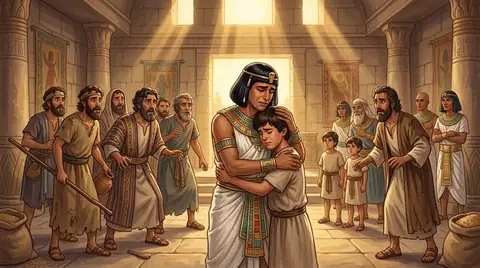 PersonJosephJacob's favourite son, sold by his brothers into Egypt, where he rose from prison to rule the land and saved his family…
 Person · Prophet and judgeSamuelThe prophet who led Israel from the time of the judges into the time of the kings. Given to God by his mother Hannah…
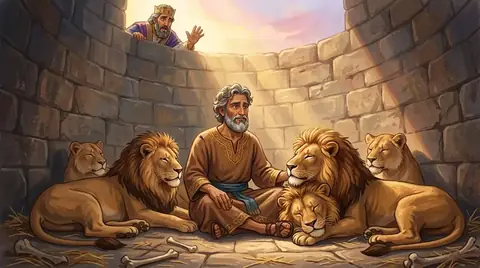 Person · ProphetDanielA young noble of Judah carried off to Babylon, who served four kings with wisdom and never bent his faith. God gave him…
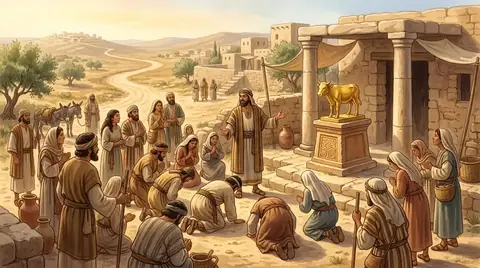 PersonJeroboamSolomon's overseer who became the first king of the breakaway northern kingdom. He set up golden calves at Bethel and…
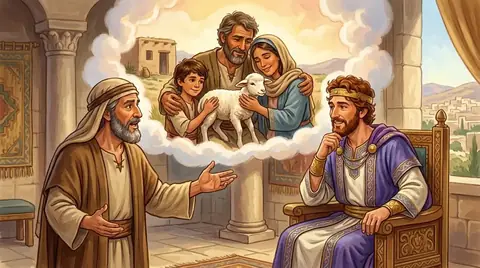 PersonNathanThe prophet who told David that his son, not he, would build the temple, who confronted him over Bathsheba with the…
Written for this app in its own words, from the Bible, with the facts checked against Bible dictionaries and encyclopedias: Easton's, Smith's, Fausset's, ISBE, Holman, the New Bible Dictionary, Vine's and the Thompson Chain topics.
