
Teaching
Skepticism
Also unbelief, doubt
Doubting or denying that God is there, or that he acts. The Bible records the scoffer's questions, "Who is the LORD?" and "What profit is it to serve him?", and also shows Thomas, whose doubt Jesus met with his wounds.
- Examples
- Pharaoh (Exodus 5:2); the fool (Psalms 14:1); the men at ease in Zephaniah's day (Zephaniah 1:12); Thomas (John 20:25–28)
In the Old Testament
Pharaoh asked, "Who is the LORD, that I should obey his voice?" (Exodus 5:2). The wicked in Job say, "What is the Almighty, that we should serve him?" (Job 21:15). "The fool hath said in his heart, There is no God" (Psalms 14:1). In Zephaniah's day men sat comfortably and said, "The LORD will not do good, neither will he do evil" (Zephaniah 1:12), and in Malachi's they said, "It is vain to serve God" (Malachi 3:14). God answered that he keeps a book of remembrance for those who fear him (Malachi 3:16).
In Jesus
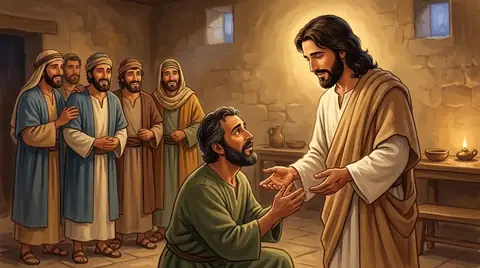
Thomas would not believe the others' report of the risen Lord unless he could see and touch the nail prints. A week later Jesus stood among them and invited him to do just that. Thomas answered, "My Lord and my God." Jesus said, "Blessed are they that have not seen, and yet have believed" (John 20:25–29).
For us
Honest doubt brought to Jesus can end in worship. The father who cried, "Lord, I believe; help thou mine unbelief" was heard (Mark 9:24).
Key verses
- Exodus 5:2
And Pharaoh said, Who is the Lord, that I should obey his voice to let Israel go? I know not the Lord, neither will I let Israel go.
- Psalms 14:1
To the chief Musician, A Psalm of David. The fool hath said in his heart, There is no God. They are corrupt, they have done abominable works, there is none that doeth good.
- Malachi 3:14–16
Ye have said, It is vain to serve God: and what profit is it that we have kept his ordinance, and that we have walked mournfully before the Lord of hosts? And now we call the proud happy; yea, they that work wickedness are set up; yea, they that tempt God are even delivered. Then they that feared the Lord spake often one to another: and the Lord hearkened, and heard it, and a book of remembrance was written before him for them that feared the Lord, and that thought upon his name.
- John 20:25–29
The other disciples therefore said unto him, We have seen the Lord. But he said unto them, Except I shall see in his hands the print of the nails, and put my finger into the print of the nails, and thrust my hand into his side, I will not believe. And after eight days again his disciples were within, and Thomas with them: then came Jesus, the doors being shut, and stood in the midst, and said, Peace be unto you. Then saith he to Thomas, Reach hither thy finger, and behold my hands; and reach hither thy hand, and thrust it into my side: and be not faithless, but believing. …
- Mark 9:24
And straightway the father of the child cried out, and said with tears, Lord, I believe; help thou mine unbelief.
Read next

Written for this app in its own words, from the Bible, with the facts checked against Bible dictionaries and encyclopedias: Easton's, Smith's, Fausset's, ISBE, Holman, the New Bible Dictionary, Vine's and the Thompson Chain topics.
