
Teaching
Salvation
Being rescued by God · from enemies, and above all from sin and death
God's rescue of people who cannot save themselves. In the Old Testament it is often rescue from enemies; in the New Testament it is the great deliverance from sin, guilt and death that Jesus Christ won on the cross.
- Hebrew
- yeshuah, "rescue, help, victory"; the name Jesus comes from it
- From what
- Enemies and danger; above all sin, God's judgement and death
- How
- By God's grace, through faith in Christ, not by what we do (Ephesians 2:8–9)
- Pictures
- A horn, a rock, a helmet, a well, a cup, a garment
The problem
From the garden of Eden on, people are in trouble they cannot get out of. They are cut off from God by sin, under his judgement, and headed for death. They are also hemmed in by enemies, sickness and want. Salvation is the Bible's word for God stepping in to rescue them.
In the Old Testament
At the Red Sea Moses told the terrified Israelites, "stand still, and see the salvation of the LORD" (Exodus 14:13), and the sea opened. From then on Israel sang of God as the one who saves: "The LORD is my strength and song, and he is become my salvation" (Exodus 15:2). The Psalms are full of it; David calls God his rock and "the horn of my salvation" (Psalms 18:2), and says plainly, "Salvation belongeth unto the LORD" (Psalms 3:8). Jonah learned the same inside the fish (Jonah 2:9). The prophets looked further ahead, to a day when God's salvation would reach "unto the end of the earth" (Isaiah 49:6) and the whole world would see it (Isaiah 52:10).
In Jesus
The angel told Joseph to name the child Jesus, "for he shall save his people from their sins" (Matthew 1:21). Jesus said he had come "to seek and to save that which was lost" (Luke 19:10). He did it by dying in our place and rising again; the apostles preached that "there is none other name under heaven given among men, whereby we must be saved" (Acts 4:12). Hebrews calls it "so great salvation" (Hebrews 2:3).
For us
Salvation is a gift, received by trusting Christ: "by grace are ye saved through faith; and that not of yourselves" (Ephesians 2:8–9). Whoever confesses Jesus as Lord and believes God raised him "shall be saved" (Romans 10:9). It has a past, a present and a future: we have been saved from sin's penalty, we are being saved from its power, and we will be saved from its very presence when Christ returns (Romans 13:11; 1 Peter 1:5). See also The Salvation of God and The Saviour of the World.
Key verses
- Exodus 14:13
And Moses said unto the people, Fear ye not, stand still, and see the salvation of the Lord, which he will shew to you to day: for the Egyptians whom ye have seen to day, ye shall see them again no more for ever.
- Psalms 3:8
Salvation belongeth unto the Lord: thy blessing is upon thy people. Selah.
- Matthew 1:21
And she shall bring forth a son, and thou shalt call his name JESUS: for he shall save his people from their sins.
- Acts 4:12
Neither is there salvation in any other: for there is none other name under heaven given among men, whereby we must be saved.
- Ephesians 2:8–9
For by grace are ye saved through faith; and that not of yourselves: it is the gift of God: Not of works, lest any man should boast.
- Romans 10:9
That if thou shalt confess with thy mouth the Lord Jesus, and shalt believe in thine heart that God hath raised him from the dead, thou shalt be saved.
Read next
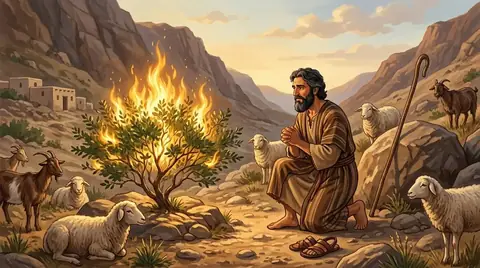 PersonMosesThe man God used to bring Israel out of Egypt, give them his Law at Sinai, and lead them for forty years in the…
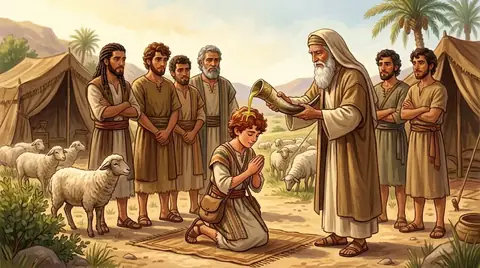 Person · KingDavidThe shepherd boy who killed Goliath and became Israel's greatest king, "a man after God's own heart". He wrote many…
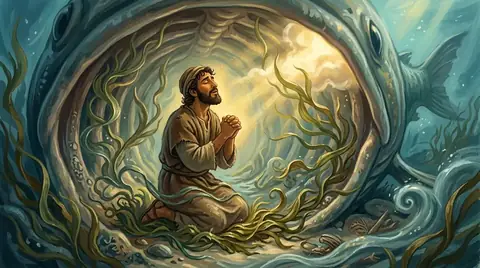 PersonJonahThe prophet who ran from God's call to preach at Nineveh, was swallowed by a great fish, and then sulked when the city…
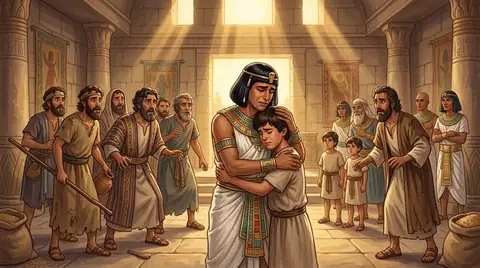 PersonJosephJacob's favourite son, sold by his brothers into Egypt, where he rose from prison to rule the land and saved his family…Name of ChristThe Salvation of GodA name for Jesus from Simeon's song. Christ does not merely hand out salvation; he is God's rescue in person, sent so…
 Name of ChristThe Saviour of the WorldThe name the Samaritans of Sychar gave Jesus after two days with him. He saves from sin and death, and not Israel only…
Written for this app in its own words, from the Bible, with the facts checked against Bible dictionaries and encyclopedias: Easton's, Smith's, Fausset's, ISBE, Holman, the New Bible Dictionary, Vine's and the Thompson Chain topics.
