
Person · Office
Prophetesses
Old and New Testaments
Women through whom God spoke. Miriam, Deborah and Huldah in the Old Testament, and Anna and Philip's daughters in the New, are called prophetesses. The Bible also warns of false ones.
- Old Testament
- Miriam (Exodus 15:20); Deborah (Judges 4:4); Huldah (2 Kings 22:14); Isaiah's wife (Isaiah 8:3)
- New Testament
- Anna (Luke 2:36); Philip's four daughters (Acts 21:9)
- False
- Noadiah (Nehemiah 6:14); "that woman Jezebel" (Revelation 2:20)
In the Old Testament
Miriam, Moses' sister, led the women in song after the crossing of the Red Sea (Exodus 15:20–21). Deborah judged Israel and called Barak to battle (Judges 4:4–7). When the lost book of the law was found in the temple, King Josiah's officials took it to Huldah the prophetess, and she gave them God's word (2 Kings 22:14–20). There were false prophetesses too, like Noadiah, who tried to frighten Nehemiah (Nehemiah 6:14), and the women Ezekiel rebuked for making up their own messages (Ezekiel 13:17).
In the New Testament
Joel had foretold that God would pour out his Spirit on all flesh, "and your sons and your daughters shall prophesy" (Joel 2:28). Old Anna spoke about the baby Jesus in the temple (Luke 2:36–38), and Philip the evangelist had four unmarried daughters who prophesied (Acts 21:9). The risen Christ warned the church at Thyatira against a woman who called herself a prophetess and led his servants astray (Revelation 2:20).
Key verses
- Judges 4:4
And Deborah, a prophetess, the wife of Lapidoth, she judged Israel at that time.
- 2 Kings 22:14
So Hilkiah the priest, and Ahikam, and Achbor, and Shaphan, and Asahiah, went unto Huldah the prophetess, the wife of Shallum the son of Tikvah, the son of Harhas, keeper of the wardrobe; (now she dwelt in Jerusalem in the college;) and they communed with her.
- Joel 2:28
And it shall come to pass afterward, that I will pour out my spirit upon all flesh; and your sons and your daughters shall prophesy, your old men shall dream dreams, your young men shall see visions:
- Luke 2:36
And there was one Anna, a prophetess, the daughter of Phanuel, of the tribe of Aser: she was of a great age, and had lived with an husband seven years from her virginity;
- Acts 21:9
And the same man had four daughters, virgins, which did prophesy.
Read next
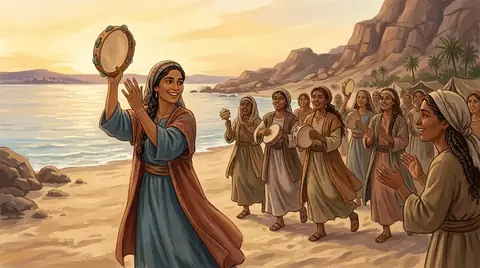 PersonMiriamMoses' older sister, who watched over his basket in the Nile and later led the women of Israel in song at the Red Sea.…
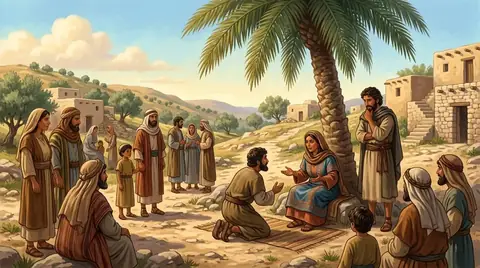 PersonDeborahA prophetess who judged Israel from under a palm tree in Ephraim. She summoned Barak to fight Sisera, went with him to…PersonHuldahA prophetess in Jerusalem in King Josiah's day. When the Book of the Law was found in the temple, the king's men went…
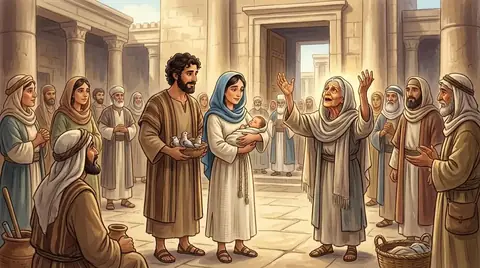 Person · ProphetessAnnaAn aged prophetess, a widow of the tribe of Asher, who worshipped day and night in the temple. When Mary and Joseph…PersonNoadiahTwo people of the return from exile: a Levite who helped weigh the temple treasures brought back by Ezra, and a…
 PersonJosiahThe boy king of Judah who turned the nation back to God. When the lost Book of the Law was found in the temple, he tore…
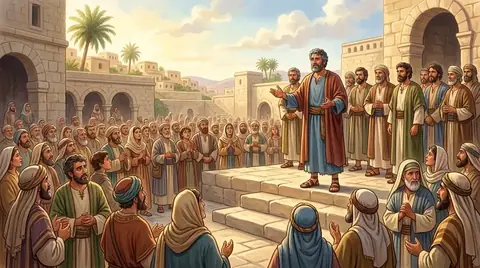 PersonJoelThe prophet who wrote the book of Joel. He saw a plague of locusts as a warning of the day of the LORD and promised…
 PersonPhilipOne of the twelve apostles, from Bethsaida, who brought Nathanael to Jesus. Another Philip, one of the seven, preached…
Written for this app in its own words, from the Bible, with the facts checked against Bible dictionaries and encyclopedias: Easton's, Smith's, Fausset's, ISBE, Holman, the New Bible Dictionary, Vine's and the Thompson Chain topics.
