
Teaching
Procrastination
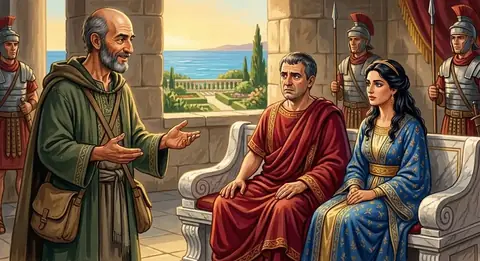
Putting off what should be done now. Felix told Paul to come back at a more convenient time; Pharaoh asked for "tomorrow"; and the Bible warns that we do not know what a day may bring.
- Examples
- Pharaoh (Exodus 8:10); Felix (Acts 24:25)
- Proverb
- "Boast not thyself of to morrow" (Proverbs 27:1)
When Moses asked when the frogs should be taken away, Pharaoh said, "To morrow" (Exodus 8:10): one more night with the frogs rather than give in now. Felix trembled as Paul spoke of righteousness, self-control and judgment to come, but said, "Go thy way for this time; when I have a convenient season, I will call for thee" (Acts 24:25). The season never came.
Jesus met would-be followers who wanted first to bury their father or say goodbye at home, and called them to follow without delay (Luke 9:59–62). The foolish virgins went to buy oil too late and found the door shut (Matthew 25:10–12). The servant who said "My lord delayeth his coming" was caught unready (Matthew 24:48–51).
"Boast not thyself of to morrow; for thou knowest not what a day may bring forth" (Proverbs 27:1). Hebrews repeats the psalm's call: "To day if ye will hear his voice, harden not your hearts" (Hebrews 3:7–8,15).
Key verses
- Proverbs 27:1
Boast not thyself of to morrow; for thou knowest not what a day may bring forth.
- Matthew 25:10–13
And while they went to buy, the bridegroom came; and they that were ready went in with him to the marriage: and the door was shut. Afterward came also the other virgins, saying, Lord, Lord, open to us. But he answered and said, Verily I say unto you, I know you not. …
- Acts 24:25
And as he reasoned of righteousness, temperance, and judgment to come, Felix trembled, and answered, Go thy way for this time; when I have a convenient season, I will call for thee.
- Hebrews 3:15
While it is said, To day if ye will hear his voice, harden not your hearts, as in the provocation.
Read next
Written for this app in its own words, from the Bible, with the facts checked against Bible dictionaries and encyclopedias: Easton's, Smith's, Fausset's, ISBE, Holman, the New Bible Dictionary, Vine's and the Thompson Chain topics.
