
Custom
Lovefeasts
Shared meals of the early church, where believers ate together in fellowship, often with the Lord's Supper. Jude and Peter warn of false teachers who spoiled them like hidden rocks.
- Verses
- Jude 1:12; 2 Peter 2:13
- Greek
- Agapai, "loves"
The first Christians often met in homes to eat together, rich and poor sharing what they brought, and to break bread in memory of the Lord (Acts 2:46). These meals came to be called "feasts of charity" or love-feasts. Jude warns of ungodly men who had crept into the churches: "These are spots in your feasts of charity, when they feast with you, feeding themselves without fear" (Jude 1:12). The word "spots" can also mean hidden reefs, on which a ship is wrecked. Peter speaks the same way of men "sporting themselves with their own deceivings while they feast with you" (2 Peter 2:13). At Corinth the common meal had turned selfish, some going hungry while others were drunk (1 Corinthians 11:20–22). Meant to show the family love of God's people, the feast needed love to be what it was named.
Key verses
- Jude 1:12
These are spots in your feasts of charity, when they feast with you, feeding themselves without fear: clouds they are without water, carried about of winds; trees whose fruit withereth, without fruit, twice dead, plucked up by the roots;
- 2 Peter 2:13
And shall receive the reward of unrighteousness, as they that count it pleasure to riot in the day time. Spots they are and blemishes, sporting themselves with their own deceivings while they feast with you;
- Acts 2:46
And they, continuing daily with one accord in the temple, and breaking bread from house to house, did eat their meat with gladness and singleness of heart,
- 1 Corinthians 11:20–22
When ye come together therefore into one place, this is not to eat the Lord’s supper. For in eating every one taketh before other his own supper: and one is hungry, and another is drunken. What? have ye not houses to eat and to drink in? or despise ye the church of God, and shame them that have not? What shall I say to you? shall I praise you in this? I praise you not.
Read next
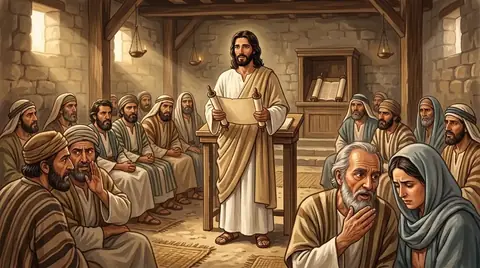 PersonJudeA brother of Jesus and of James, who wrote the short letter of Jude. At first he did not believe in Jesus, but later he…
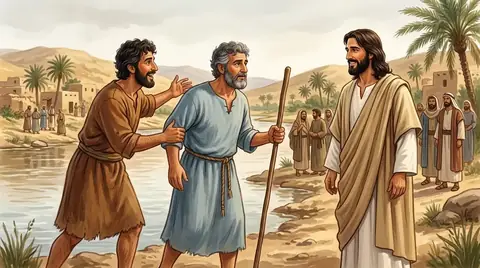 PersonPeterA Galilean fisherman who became the leader of the twelve apostles. Bold and impulsive, he confessed Jesus as the…
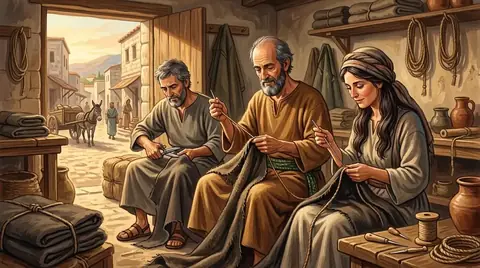 Place · CityCorinthA rich, busy port city on the narrow neck of land joining southern Greece to the mainland. Paul founded a church there…
Written for this app in its own words, from the Bible, with the facts checked against Bible dictionaries and encyclopedias: Easton's, Smith's, Fausset's, ISBE, Holman, the New Bible Dictionary, Vine's and the Thompson Chain topics.
