
Group · Leaders
Judge
Hebrew shophet, one who governs and puts things right
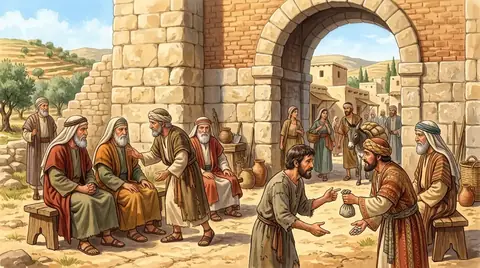
In the Bible a judge was someone who settled disputes and upheld justice, from the elders at the town gate to the rulers God raised up before Israel had kings. Above them all is God, the Judge of all the earth.
- First
- Moses, then able men he chose to help him (Exodus 18:13–26)
- Rules
- No bribes, no favouring rich or poor (Exodus 23:8; Leviticus 19:15; Deuteronomy 16:19)
- Also
- The leaders of the book of Judges; see The judges of Israel
Who judged
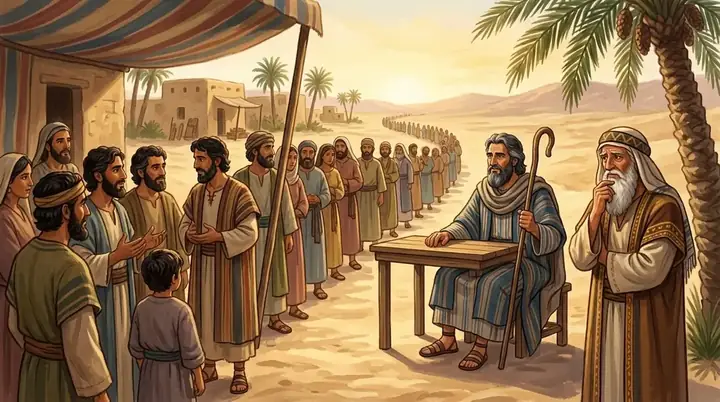
At first Moses sat from morning till evening hearing the people's quarrels. His father-in-law Jethro told him to choose able men who feared God, loved truth and hated bribes, to judge the smaller cases, while he brought the hard ones to God (Exodus 18:13–26). In the land, judges and officers were to be set up in every town (Deuteronomy 16:18), and often they sat at the town gate. Priests and Levites judged hard cases (Deuteronomy 17:8–9), and kings were the highest judges: Solomon asked God for wisdom to judge his people (1 Kings 3:9). In the time before the kings, God raised up leaders called judges to rescue Israel (Judges 2:16–18).
What God asks of judges
The law was clear. A judge must not take a bribe, for it "blindeth the wise" (Deuteronomy 16:19). He must not favour the poor because they are poor, or the great because they are great (Leviticus 19:15), and must not twist justice for the widow, the orphan or the stranger. King Jehoshaphat told his judges, "ye judge not for man, but for the LORD" (2 Chronicles 19:6–7). The prophets condemned rulers who sold justice (Isaiah 1:23; Micah 3:11).
God the Judge
Behind every human court stands God. "Shall not the Judge of all the earth do right?" asked Abraham (Genesis 18:25). God "putteth down one, and setteth up another" (Psalms 75:7). He has appointed a day to judge the world by Jesus, whom he raised from the dead (Acts 17:31), and Paul looked forward to the crown that "the righteous judge" would give him (2 Timothy 4:8).
Key verses
- Exodus 18:21–22
Moreover thou shalt provide out of all the people able men, such as fear God, men of truth, hating covetousness; and place such over them, to be rulers of thousands, and rulers of hundreds, rulers of fifties, and rulers of tens: And let them judge the people at all seasons: and it shall be, that every great matter they shall bring unto thee, but every small matter they shall judge: so shall it be easier for thyself, and they shall bear the burden with thee.
- Deuteronomy 16:18–20
Judges and officers shalt thou make thee in all thy gates, which the Lord thy God giveth thee, throughout thy tribes: and they shall judge the people with just judgment. Thou shalt not wrest judgment; thou shalt not respect persons, neither take a gift: for a gift doth blind the eyes of the wise, and pervert the words of the righteous. That which is altogether just shalt thou follow, that thou mayest live, and inherit the land which the Lord thy God giveth thee.
- 2 Chronicles 19:6–7
And said to the judges, Take heed what ye do: for ye judge not for man, but for the Lord, who is with you in the judgment. Wherefore now let the fear of the Lord be upon you; take heed and do it: for there is no iniquity with the Lord our God, nor respect of persons, nor taking of gifts.
- Genesis 18:25
That be far from thee to do after this manner, to slay the righteous with the wicked: and that the righteous should be as the wicked, that be far from thee: Shall not the Judge of all the earth do right?
- Acts 17:31
Because he hath appointed a day, in the which he will judge the world in righteousness by that man whom he hath ordained; whereof he hath given assurance unto all men, in that he hath raised him from the dead.
Read next
 Group · LeadersThe judges of IsraelThe leaders God raised up to save Israel through the three centuries between Joshua's death and the first king. They…
 PersonMosesThe man God used to bring Israel out of Egypt, give them his Law at Sinai, and lead them for forty years in the…
 PersonJethroThe priest of Midian who gave Moses a home and a wife during his forty years in exile, and who later gave him wise…
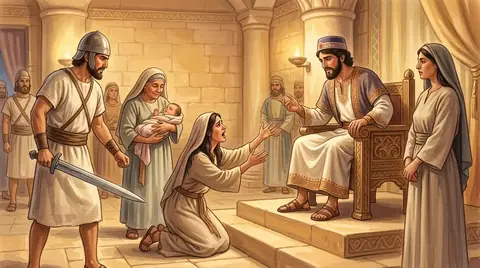 Person · KingSolomonDavid's son and Israel's third king, who asked God for wisdom and received riches and fame as well. He built the temple…
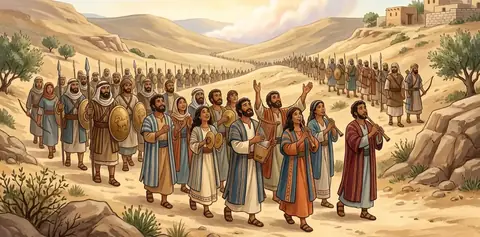 PersonJehoshaphatOne of Judah's best kings, who sent teachers of God's law through the land and won a battle by sending singers ahead of…
 Person · The Son of GodJesus ChristThe Son of God, born of the virgin Mary, who lived a sinless life, died on a cross for the sins of the world and rose…
Written for this app in its own words, from the Bible, with the facts checked against Bible dictionaries and encyclopedias: Easton's, Smith's, Fausset's, ISBE, Holman, the New Bible Dictionary, Vine's and the Thompson Chain topics.
