
Place · Landscape
Hill
Hebrew gibeah, a rounded hill; har, a mountain or hill country
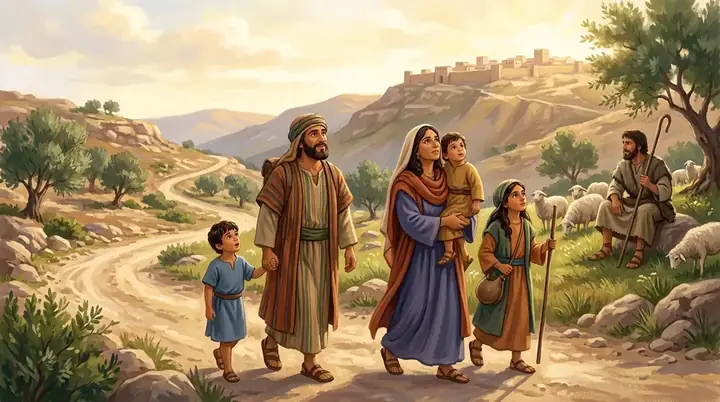
Much of the Promised Land is hill country. The Bible uses several Hebrew words for hills and high ground, and the hills often stand for what is old and lasting, or for places of worship.
- Hebrew
- Gibeah, a rounded hill; har, a mountain, or the high ground as a whole
- The hill country
- The central highlands of Judah, Benjamin and Ephraim (Deuteronomy 1:7; Joshua 11:16)
What the word means
The KJV's "hill" stands for more than one Hebrew word. Gibeah means a rounded hill, the kind seen all over the land of Israel (Psalms 65:12). Har is a mountain, and often the whole stretch of high ground: "the hill country" running north and south through the middle of the land, between the Mediterranean coast and the Dead Sea (Deuteronomy 1:7; Joshua 10:40). In 1 Samuel 9:11 the "hill" up to the town is really a slope or ascent. In the New Testament, the "hill" that Jesus came down after his transfiguration was the high mountain where he had shone with glory (Luke 9:37).
What the hills mean
The hills seem as old as the world, and the Bible calls them "everlasting" (Genesis 49:26; Habakkuk 3:6). Yet they are not the believer's help. "I will lift up mine eyes unto the hills," says the psalmist, and then looks beyond them: "My help cometh from the LORD, which made heaven and earth" (Psalms 121:1–2).
Key verses
- Deuteronomy 1:7
Turn you, and take your journey, and go to the mount of the Amorites, and unto all the places nigh thereunto, in the plain, in the hills, and in the vale, and in the south, and by the sea side, to the land of the Canaanites, and unto Lebanon, unto the great river, the river Euphrates.
- Psalms 121:1–2
A Song of degrees. I will lift up mine eyes unto the hills, from whence cometh my help. My help cometh from the Lord, which made heaven and earth.
- Genesis 49:26
The blessings of thy father have prevailed above the blessings of my progenitors unto the utmost bound of the everlasting hills: they shall be on the head of Joseph, and on the crown of the head of him that was separate from his brethren.
- Luke 9:37
And it came to pass, that on the next day, when they were come down from the hill, much people met him.
Read next
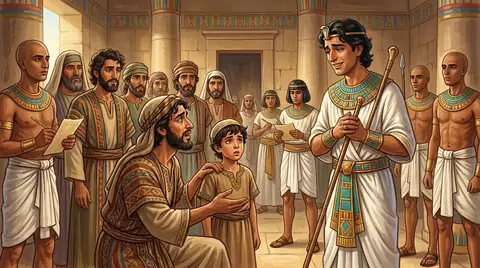 PersonJudahJacob's fourth son, who became leader among his brothers and the father of Israel's royal tribe. David, the kings of…
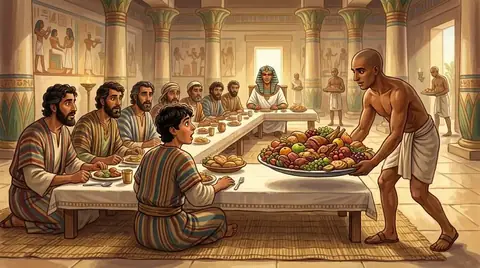 PersonBenjaminJacob's youngest son, whose mother Rachel died bearing him. Joseph's only full brother, he was the centre of the…
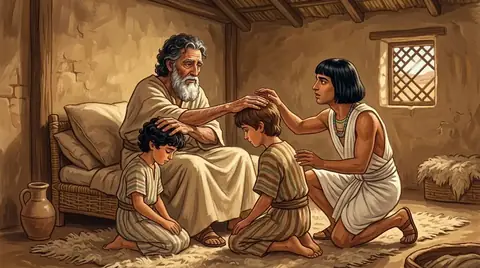 Person · TribeEphraimJoseph's second son, whom Jacob blessed ahead of his older brother. His tribe became the strongest in the north, and…
Written for this app in its own words, from the Bible, with the facts checked against Bible dictionaries and encyclopedias: Easton's, Smith's, Fausset's, ISBE, Holman, the New Bible Dictionary, Vine's and the Thompson Chain topics.
