
Word · Teaching
Hell: Tartarus
TAR-ta-rus2 Peter 2:4 · Greek tartaroō, "to throw into Tartarus"
A word used only once in the Bible, in 2 Peter 2:4, for the lowest dungeon in which the angels that sinned are held in chains until the judgment. It is a different word from the ordinary ones for hell.
- Where
- 2 Peter 2:4 only
- Not the same as
- Hades, the place of the dead, or Gehenna, the final hell
The word
When Peter says that God "cast them down to hell", the Greek has a single rare verb meaning to put someone in Tartarus. To Greek readers Tartarus was the lowest dungeon beneath the earth, deeper than the place of the dead. Peter borrows the word to say something that the ordinary words for hell do not: the angels who sinned were not killed and were not merely sent where the dead go, but locked away in darkness, bound, and held for trial.
Why Peter says it
Peter is warning the churches about false teachers, and he gives three examples of God's judgment: the angels who sinned, the world of Noah's day, and Sodom and Gomorrah (2 Peter 2:4–9). His point is simple. If God did not spare even angels, he will not overlook teachers who lead his people astray; and if he rescued Noah and Lot, he knows how to rescue the godly too. Jude says much the same of the angels who left their proper place, kept "in everlasting chains under darkness" (Jude 1:6).
Key verses
- 2 Peter 2:4
For if God spared not the angels that sinned, but cast them down to hell, and delivered them into chains of darkness, to be reserved unto judgment;
- 2 Peter 2:9
The Lord knoweth how to deliver the godly out of temptations, and to reserve the unjust unto the day of judgment to be punished:
- Jude 1:6
And the angels which kept not their first estate, but left their own habitation, he hath reserved in everlasting chains under darkness unto the judgment of the great day.
Read next
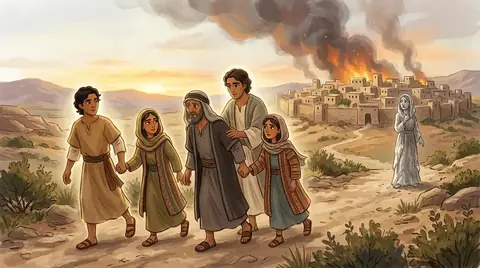 Place · CitySodomThe rich, wicked city by the Dead Sea where Lot settled. Abraham pleaded for it, but ten righteous people were not to…
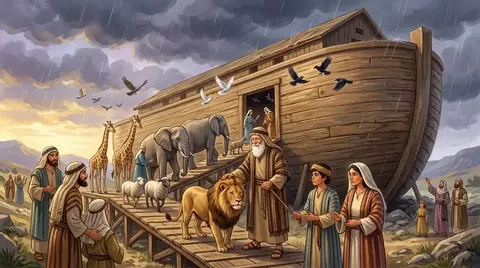 PersonNoahThe one righteous man of his age. God told him to build an ark, and through it saved him, his family and the animals…
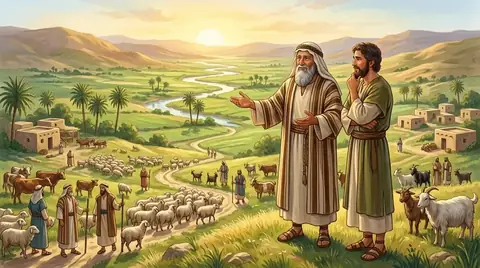 PersonLotAbraham's nephew, who chose the rich plain of Jordan and settled in Sodom. Angels dragged him out before the city…
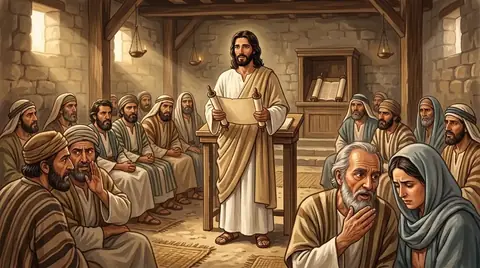 PersonJudeA brother of Jesus and of James, who wrote the short letter of Jude. At first he did not believe in Jesus, but later he…
Written for this app in its own words, from the Bible, with the facts checked against Bible dictionaries and encyclopedias: Easton's, Smith's, Fausset's, ISBE, Holman, the New Bible Dictionary, Vine's and the Thompson Chain topics.
