
Teaching
Hell: Gehenna
ge-HEN-a
The word Jesus used for the hell of final judgment. It is the name of the valley of Hinnom below Jerusalem, once the scene of child sacrifice, which became a picture of the fire that is never put out.
- Greek
- Geenna, from the Hebrew Ge Hinnom, "valley of Hinnom"
- Where
- Matthew 5:22, 29–30; Matthew 10:28; Matthew 18:9; Matthew 23:15, 33; Mark 9:43–47; Luke 12:5; James 3:6
- Not the same as
- Hades, the place of the dead
The valley
The valley of Hinnom runs along the south and west of Jerusalem. There, in the days of Ahaz and Manasseh, people burned their children in the fire to the idol Molech at the place called Tophet (2 Chronicles 28:3; 2 Chronicles 33:6). Good King Josiah defiled the valley so that no one could ever use it that way again (2 Kings 23:10), and Jeremiah foretold that it would be called the valley of slaughter, so full of the dead that there would be no room to bury (Jeremiah 7:31–33). By Jesus' day the name of the valley had become the name of the place of God's final judgment on the wicked.
What Jesus said
Of the twelve times the word occurs, eleven are on Jesus' lips. Anyone who calls his brother a fool, he said, is in danger of "hell fire" (Matthew 5:22). It is better to tear out an eye or cut off a hand than to be thrown whole into hell, "where their worm dieth not, and the fire is not quenched" (Mark 9:43–48, quoting Isaiah 66:24). Fear God, who after death can cast into hell (Luke 12:5). He called the Pharisees children of hell and asked how they would escape its damnation (Matthew 23:15, 33). James says the tongue is set on fire by it (James 3:6). Revelation calls the same place the lake of fire and the second death (Revelation 20:14–15).
For us
Jesus did not describe Gehenna to frighten for its own sake but to warn, as a doctor names a disease. He came "to seek and to save that which was lost" (Luke 19:10), and whoever hears his word and believes "shall not come into condemnation" (John 5:24). See Hell.
Key verses
- Mark 9:43–48
And if thy hand offend thee, cut it off: it is better for thee to enter into life maimed, than having two hands to go into hell, into the fire that never shall be quenched: Where their worm dieth not, and the fire is not quenched. And if thy foot offend thee, cut it off: it is better for thee to enter halt into life, than having two feet to be cast into hell, into the fire that never shall be quenched: …
- Matthew 10:28
And fear not them which kill the body, but are not able to kill the soul: but rather fear him which is able to destroy both soul and body in hell.
- Luke 12:5
But I will forewarn you whom ye shall fear: Fear him, which after he hath killed hath power to cast into hell; yea, I say unto you, Fear him.
- Jeremiah 7:31–32
And they have built the high places of Tophet, which is in the valley of the son of Hinnom, to burn their sons and their daughters in the fire; which I commanded them not, neither came it into my heart. Therefore, behold, the days come, saith the Lord, that it shall no more be called Tophet, nor the valley of the son of Hinnom, but the valley of slaughter: for they shall bury in Tophet, till there be no place.
Read next
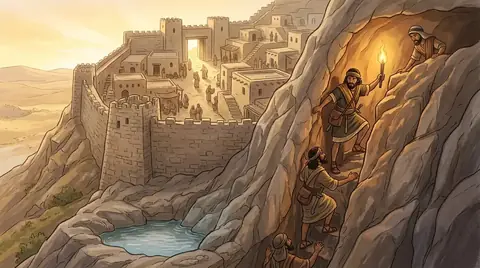 PlaceJerusalemThe city David made his capital and where Solomon built the temple. Jesus died and rose there and the church began…
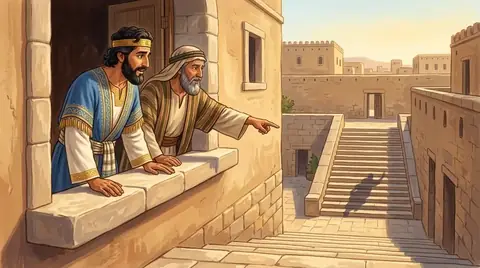 Person · KingAhazA wicked king of Judah who sacrificed his own son, shut the temple, and paid Assyria for help instead of trusting God.…
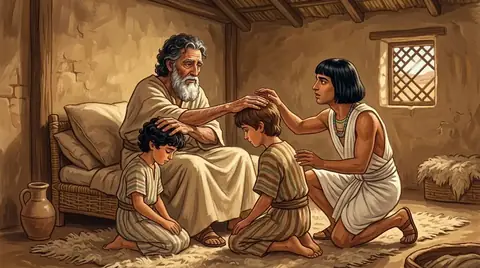 Person · TribeManassehJoseph's elder son, adopted by Jacob as a tribe of Israel, whose land straddled the Jordan. Also the longest-reigning…IdolMolechThe god of the Ammonites, whose worshippers burned their children as offerings. God's law made this a capital crime…
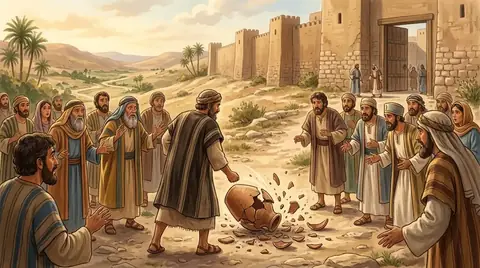 PlaceTophethThe place in the valley of Hinnom, south of Jerusalem, where kings of Judah burned their children to Molech. Josiah…
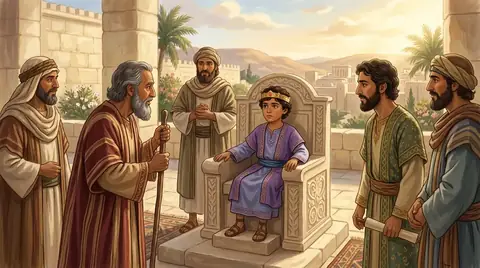 PersonJosiahThe boy king of Judah who turned the nation back to God. When the lost Book of the Law was found in the temple, he tore…
Written for this app in its own words, from the Bible, with the facts checked against Bible dictionaries and encyclopedias: Easton's, Smith's, Fausset's, ISBE, Holman, the New Bible Dictionary, Vine's and the Thompson Chain topics.
