
Topic
Frugality
Careful use of what one has, without waste. Jesus had the leftover bread gathered after feeding the crowds, Joseph stored grain for the famine, and Proverbs praises the wise who save while fools spend everything.
- Jesus
- "Gather up the fragments that remain, that nothing be lost" (John 6:12)
- Proverbs
- Proverbs 21:20
- See also
- Economics, Extravagance
Joseph gathered a fifth of the harvest in Egypt's seven good years, "as the sand of the sea", so that there was bread when the famine came (Genesis 41:48–54). In the wilderness each family gathered as much manna as it needed; on the sixth day they gathered twice as much for the Sabbath (Exodus 16:17–24). The widow of Zarephath shared her last handful of flour with Elijah, and it did not run out (1 Kings 17:10–16).
Proverbs says, "There is treasure to be desired and oil in the dwelling of the wise; but a foolish man spendeth it up" (Proverbs 21:20), and a good man leaves an inheritance to his children's children (Proverbs 13:22). After feeding the five thousand, Jesus had twelve baskets of leftovers gathered (John 6:12–13). Thrift is not meanness: Paul says we work so that we may have something to give to those in need (Ephesians 4:28).
Key verses
- Genesis 41:48–49
And he gathered up all the food of the seven years, which were in the land of Egypt, and laid up the food in the cities: the food of the field, which was round about every city, laid he up in the same. And Joseph gathered corn as the sand of the sea, very much, until he left numbering; for it was without number.
- Proverbs 21:20
There is treasure to be desired and oil in the dwelling of the wise; but a foolish man spendeth it up.
- Proverbs 13:22
A good man leaveth an inheritance to his children’s children: and the wealth of the sinner is laid up for the just.
- John 6:12
When they were filled, he said unto his disciples, Gather up the fragments that remain, that nothing be lost.
- Ephesians 4:28
Let him that stole steal no more: but rather let him labour, working with his hands the thing which is good, that he may have to give to him that needeth.
Read next
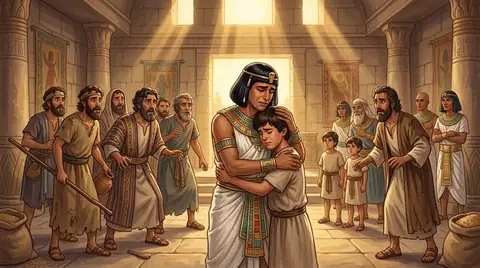 PersonJosephJacob's favourite son, sold by his brothers into Egypt, where he rose from prison to rule the land and saved his family…
Written for this app in its own words, from the Bible, with the facts checked against Bible dictionaries and encyclopedias: Easton's, Smith's, Fausset's, ISBE, Holman, the New Bible Dictionary, Vine's and the Thompson Chain topics.
