
Plant · Medicine
Balm
Hebrew tsori; short for balsam
A fragrant resin that oozed from cuts in the bark of a shrub, prized as a medicine for wounds. Gilead was famous for it, and traders carried it to Egypt and Tyre.
- From
- A shrub of Gilead, east of the Jordan; later grown round Jericho
- Used as
- An ointment for wounds; a costly gift and trade good
- Where
- Genesis 37:25; Genesis 43:11; Jeremiah 8:22; Jeremiah 46:11; Jeremiah 51:8; Ezekiel 27:17
What it was
Balm was a sticky, sweet-smelling gum. When the bark of certain shrubs was cut, it trickled out in small drops and hardened. People used it to soothe and heal wounds, and it fetched a high price. Only a little came from each plant, so it was the sort of thing a man gave as a present to a great man.
In the Bible
The Ishmaelite traders who bought Joseph from his brothers were carrying "spicery and balm and myrrh" down to Egypt (Genesis 37:25). Years later Jacob sent balm among the gifts to the governor of Egypt, not knowing he was sending it to Joseph (Genesis 43:11). Ezekiel lists it among the goods Judah sold to Tyre (Ezekiel 27:17).
Jeremiah uses it three times as a picture of healing. He asks, "Is there no balm in Gilead; is there no physician there?", wondering why his people's wound is not healed (Jeremiah 8:22). He tells Egypt to go up to Gilead for balm, though no medicine will cure her (Jeremiah 46:11), and says the same of Babylon (Jeremiah 51:8). See Balm of Gilead for the famous phrase.
Key verses
- Genesis 37:25
And they sat down to eat bread: and they lifted up their eyes and looked, and, behold, a company of Ishmeelites came from Gilead with their camels bearing spicery and balm and myrrh, going to carry it down to Egypt.
- Genesis 43:11
And their father Israel said unto them, If it must be so now, do this; take of the best fruits in the land in your vessels, and carry down the man a present, a little balm, and a little honey, spices, and myrrh, nuts, and almonds:
- Jeremiah 8:22
Is there no balm in Gilead; is there no physician there? why then is not the health of the daughter of my people recovered?
- Ezekiel 27:17
Judah, and the land of Israel, they were thy merchants: they traded in thy market wheat of Minnith, and Pannag, and honey, and oil, and balm.
Read next
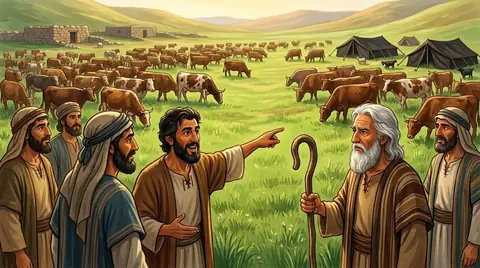 Place · RegionGileadThe wooded hill country east of the Jordan, famous for its flocks, its healing balm and its fighting men. Reuben, Gad…
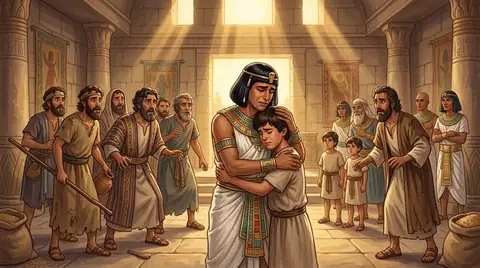 PersonJosephJacob's favourite son, sold by his brothers into Egypt, where he rose from prison to rule the land and saved his family…
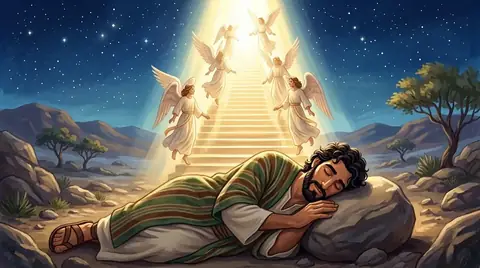 PersonJacobIsaac's younger twin son, who won his brother's birthright and blessing by cunning, was changed by God, and was renamed…Plant · MedicineBalm of GileadThe healing resin for which Gilead, east of the Jordan, was famous. Jeremiah's cry, "Is there no balm in Gilead?", asks…
Written for this app in its own words, from the Bible, with the facts checked against Bible dictionaries and encyclopedias: Easton's, Smith's, Fausset's, ISBE, Holman, the New Bible Dictionary, Vine's and the Thompson Chain topics.
