
Place · Region
Arabah
AR-a-bahtoday the Jordan Valley and the Wadi Arabah, in Israel and Jordan
The long, deep valley running down the Jordan from the Sea of Galilee to the Dead Sea and on to the Red Sea. The King James Bible usually calls it "the plain".
- Where
- From the Sea of Galilee south along the Jordan, past the Dead Sea, to the Gulf of Aqaba
- Known for
- The lowest land on earth; the border of the tribes east and west of the Jordan
- Also called
- The plain; the Jordan Valley; the Ghor (the Arabic name for its northern part)
Where
A great crack in the earth runs north to south through the Holy Land. Along its floor the Jordan flows from the Sea of Galilee down to the Dead Sea, nearly 1,300 feet (400 m) below sea level, the lowest place on earth; south of the Dead Sea the valley rises slowly through hot desert to the Gulf of Aqaba, a hundred miles (160 km) away. The whole trench is the Arabah. Israel's Sea of the Arabah was the Dead Sea (Deuteronomy 3:17; Joshua 3:16).
In the Old Testament
Israel marched through the Arabah on the way to Canaan (Deuteronomy 2:8), and Moses gave his last speeches to them in the Arabah opposite Jericho (Deuteronomy 1:1). After Joshua took the land, the Arabah was listed among the regions he conquered (Joshua 11:16; Joshua 12:8) and became the line between the tribes on either side of the Jordan. Because it was open country, people fled along it: Abner after his defeat (2 Samuel 2:29), Ishbosheth's murderers (2 Samuel 4:7), and at the end King Zedekiah, who slipped out of burning Jerusalem by night and made for the Arabah, only to be caught on the plains of Jericho (2 Kings 25:4–5; Jeremiah 39:4–5).
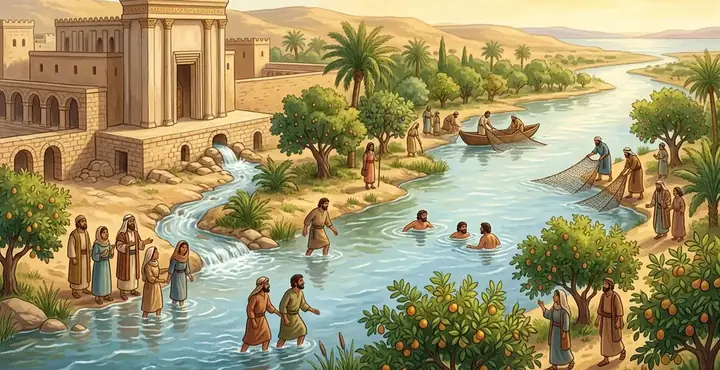
Isaiah saw the Arabah mourning in the day of judgment (Isaiah 33:9). Ezekiel saw the opposite: a river flowing from the temple down into the Arabah, turning the Dead Sea fresh and filling it with fish (Ezekiel 47:8–9). Zechariah promises that the land round Jerusalem will one day be turned into a plain like it (Zechariah 14:10).
Today
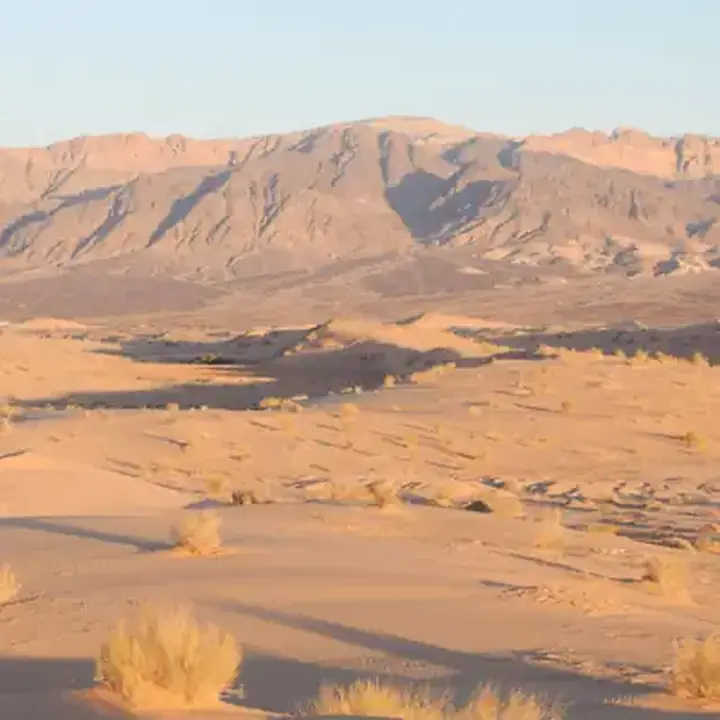
The northern part is the green Jordan Valley, farmed with the help of irrigation. South of the Dead Sea, the Wadi Arabah is still desert, forming the border between Israel and Jordan, with copper mines that were worked in Bible times.
Key verses
- Deuteronomy 1:1
These be the words which Moses spake unto all Israel on this side Jordan in the wilderness, in the plain over against the Red sea, between Paran, and Tophel, and Laban, and Hazeroth, and Dizahab.
- Deuteronomy 3:17
The plain also, and Jordan, and the coast thereof, from Chinnereth even unto the sea of the plain, even the salt sea, under Ashdoth–pisgah eastward.
- Joshua 11:16
So Joshua took all that land, the hills, and all the south country, and all the land of Goshen, and the valley, and the plain, and the mountain of Israel, and the valley of the same;
- 2 Kings 25:4
And the city was broken up, and all the men of war fled by night by the way of the gate between two walls, which is by the king’s garden: (now the Chaldees were against the city round about:) and the king went the way toward the plain.
- Ezekiel 47:8
Then said he unto me, These waters issue out toward the east country, and go down into the desert, and go into the sea: which being brought forth into the sea, the waters shall be healed.
On the map
Mentioned in 22 verses
- Deuteronomy 6
- Joshua 7
- 1 Samuel 1
- 2 Samuel 2
- 2 Kings 1
- Isaiah 1
- Jeremiah 2
- Ezekiel 1
- Zechariah 1
Read next
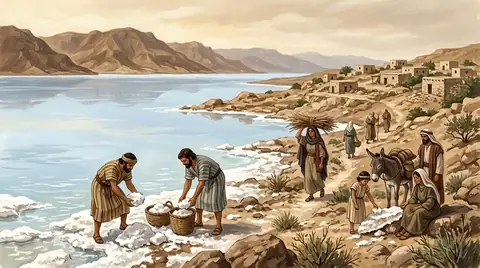 PlaceSalt SeaThe Bible's name for the Dead Sea, the great salt lake at the end of the Jordan River. It is the lowest place on the…
 PersonJoshuaMoses' helper who took over from him and led Israel across the Jordan into the Promised Land. He fought the wars of…
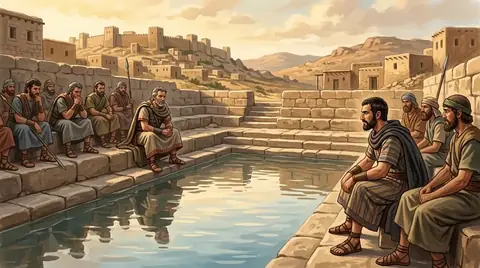 PersonAbnerSaul's cousin and the commander of his army. After Saul died he kept the house of Saul in power for years, then went…
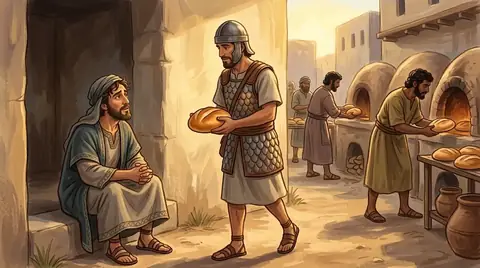 PersonZedekiahThe last king of Judah, put on the throne by Nebuchadnezzar and then rebelling against him. He would not heed Jeremiah…
Written for this app in its own words, from the Bible, with the facts checked against Bible dictionaries and encyclopedias: Easton's, Smith's, Fausset's, ISBE, Holman, the New Bible Dictionary, Vine's and the Thompson Chain topics. People and places: STEPBible.org (TIPNR), CC BY 4.0; where a place is today and its photo: OpenBible.info, CC BY 4.0.
