
Book
Apocalypse
a-POK-a-lipsGreek apokalypsis, "uncovering" or "revelation" · another name for the book of Revelation
The Greek name of the last book of the Bible, the Revelation. The word means an uncovering: God drawing back the curtain to show what is hidden and what is to come.
- Meaning
- Uncovering, unveiling, revelation
- Book
- Revelation, written by the apostle John on Patmos
The last book of the Bible opens with the Greek word apokalypsis: "The Revelation of Jesus Christ, which God gave unto him, to shew unto his servants things which must shortly come to pass" (Revelation 1:1). From that first word the book is often called the Apocalypse. It is an uncovering, like lifting a veil: John is shown the risen Christ, the throne of God, the struggle between good and evil, and the final victory of the Lamb.
The same Greek word is used elsewhere in the New Testament for God making something known. Paul received his gospel "by the revelation of Jesus Christ" (Galatians 1:12), and believers set their hope on the grace to be brought to them "at the revelation of Jesus Christ" (1 Peter 1:13). In everyday speech "apocalypse" has come to mean disaster, but in the Bible it means God showing the truth.
Key verses
- Revelation 1:1–3
The Revelation of Jesus Christ, which God gave unto him, to shew unto his servants things which must shortly come to pass; and he sent and signified it by his angel unto his servant John: Who bare record of the word of God, and of the testimony of Jesus Christ, and of all things that he saw. Blessed is he that readeth, and they that hear the words of this prophecy, and keep those things which are written therein: for the time is at hand.
- Galatians 1:12
For I neither received it of man, neither was I taught it, but by the revelation of Jesus Christ.
- 1 Peter 1:13
Wherefore gird up the loins of your mind, be sober, and hope to the end for the grace that is to be brought unto you at the revelation of Jesus Christ;
Read next
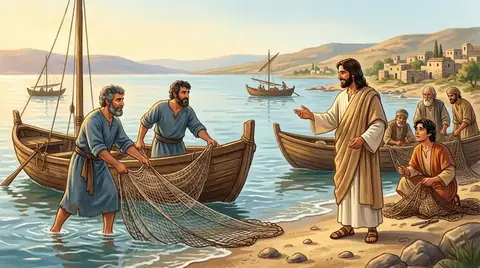 PersonJohnThe fisherman who became "the disciple whom Jesus loved". Youngest of the twelve, he stood at the cross, ran to the…
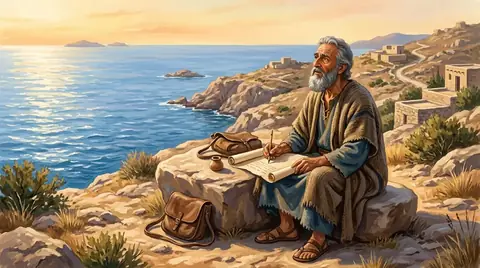 Place · IslandPatmosA small, rocky island in the Aegean Sea where the apostle John was sent "for the word of God", and where he saw the…
Written for this app in its own words, from the Bible, with the facts checked against Bible dictionaries and encyclopedias: Easton's, Smith's, Fausset's, ISBE, Holman, the New Bible Dictionary, Vine's and the Thompson Chain topics.
